
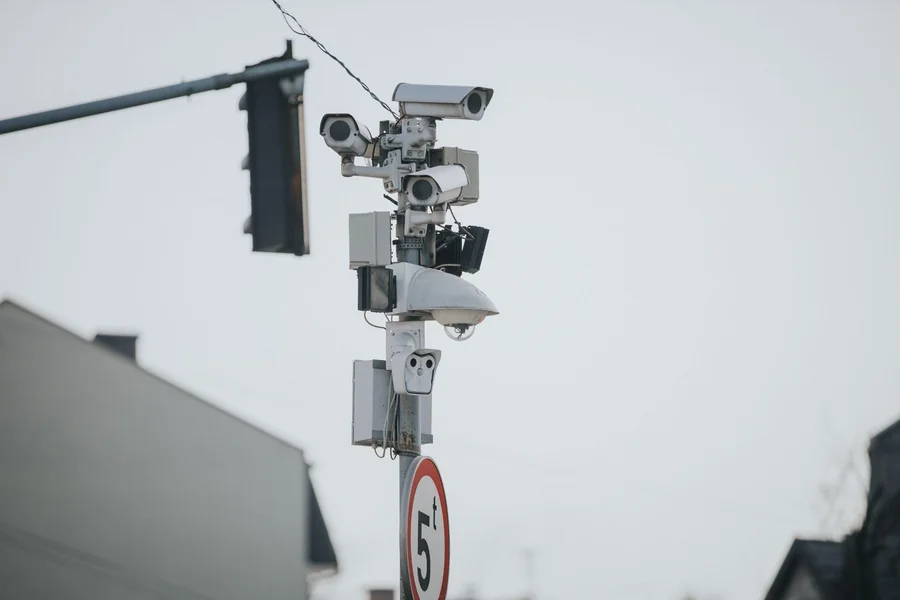
A few seconds of recorded footage can sometimes reveal details that people may remember differently after a crash. Road accidents often happen quickly, leaving drivers, witnesses, and insurers with different versions of what occurred. Traffic cameras can capture important moments that may help explain vehicle movements, road conditions, and actions before an impact.
Traffic camera evidence for car accident claims can provide valuable information when reviewing the circumstances surrounding a collision. From showing traffic signals to capturing driver actions, camera footage can become an important part of understanding how an accident happened.
Traffic Camera Footage Can Provide an Unbiased View of the Accident
After a car accident, people may have different memories of what happened. Stress, confusion, and the speed of the incident can make it difficult to remember every detail clearly. Traffic camera footage can provide another perspective by showing the events from an outside view.
Cameras placed near intersections, highways, and busy roads may capture details such as vehicle positions, lane changes, traffic signals, and movements before a collision. This visual information can help explain parts of the accident that may not be clear from statements alone.
Traffic Cameras Can Help Establish Fault
Determining responsibility after a car accident often requires looking closely at the actions of each driver. Traffic camera recordings may provide details that help show how the accident occurred.
Footage may reveal whether a vehicle entered an intersection against a signal, changed lanes unsafely, or failed to follow traffic rules. While video evidence is only one part of a claim review, it can provide useful information alongside police reports and other records.
A clear understanding of driver actions can help create a more complete picture of the circumstances surrounding the crash.
Camera Footage Can Support or Challenge Accident Statements
Drivers and witnesses may describe the same accident in different ways. These differences can happen because each person sees the event from a different position or perspective.
Traffic camera recordings can help compare statements with what actually occurred on the road. The footage may confirm certain details, reveal missing information, or provide additional context about the accident.
Having clear visual evidence can help reduce uncertainty and make it easier to review the events leading up to the collision.
Video Evidence Can Show the Severity of a Collision
Traffic cameras may also capture details about how a crash happened, including vehicle movement, impact direction, and conditions around the accident area.
This information may help explain the force of the collision and the events immediately before and after the crash. Along with medical records, repair information, and other evidence, video footage can provide more context about the accident.
The details shown in a recording may help create a clearer understanding of the overall situation.
Availability and Timing of Camera Footage Matters
Traffic camera recordings are not always stored permanently. Some systems may keep footage for a limited time before it is replaced by newer recordings.
Identifying possible camera sources soon after an accident can be important for preserving available information. Possible sources may include city traffic cameras, intersection cameras, highway monitoring systems, and nearby business surveillance cameras.
Taking steps to identify available footage may include:
- Noting the exact accident location
- Recording the date and approximate time of the crash
- Checking for nearby cameras
- Keeping accident reports and related documents
- Informing the appropriate parties about available footage
Organized information can make it easier to locate evidence connected to the accident.
The Value of Camera Footage After a Crash
Traffic camera evidence for car accident claims can be an important resource when evaluating the details of an accident and understanding the events that occurred. They may confirm driver actions, support statements, and provide additional details about road conditions and vehicle movement.
Reviewing traffic camera footage along with other records can help create a clearer understanding of the accident and the factors involved in evaluating a claim. However, the impact of this footage depends on factors such as availability, clarity, and how it connects with other information related to the crash.

Hi, I’m Tony — a passionate blogger with over 3 years of experience in writing informative and accurate content. I specialize in sharing practical insights on sizes, measurements, and spatial guides to help readers make confident decisions. Through DimensionsPoint.com, I aim to simplify complex data into easy-to-understand content that’s reliable, useful, and SEO-friendly.
When I’m not writing, I’m researching the latest trends in measurement standards and user needs to keep my content relevant and up to date.