
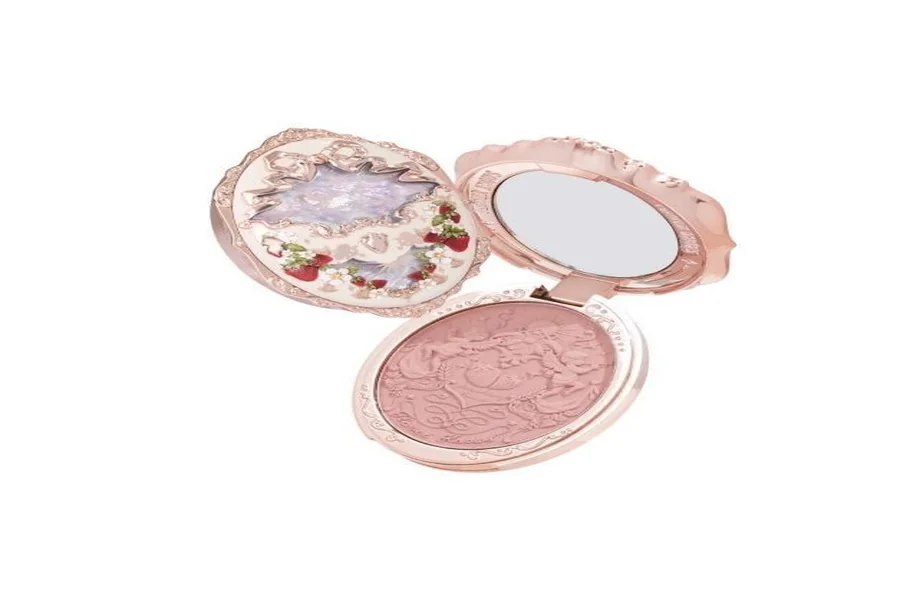
Layering blush makeup creates more dimension and control, but applying too much product can make the cheeks look uneven or overly intense. The key is building color gradually, choosing compatible formulas, and blending each layer carefully. A thoughtful approach allows you to create a natural flush or a more defined cheek look without losing balance. By preparing your base, selecting suitable shades, and understanding how different textures work together, you can achieve a smooth finish that enhances your complexion while keeping your makeup polished and effortless.
Prepare Your Base Before Layering Blush Makeup
Start With a Smooth, Even Complexion Base
A smooth complexion base helps blush makeup apply evenly and blend naturally. Before adding color, ensure your foundation or base makeup is properly blended and free from excess product buildup. An even surface allows each blush layer to sit smoothly without creating patchy areas. Preparing the skin also helps maintain the intended finish of your blush, whether you prefer a soft matte effect or a natural glow. A balanced base creates the ideal starting point for controlled layering.
Choose Blush Shades That Work Well Together
Selecting blush shades that complement each other makes layering easier and prevents the final look from appearing disconnected. Choose colors from similar families, such as combining soft pink with rose or peach with coral tones. A lighter shade can create freshness, while a deeper shade adds dimension and definition. Avoid mixing shades that compete strongly unless you want a more dramatic effect. Coordinated colors allow each layer to enhance the previous one and create a smoother finish.
Match Blush Formulas to Your Foundation Finish
Matching your blush formula to your foundation finish helps maintain a seamless appearance. Cream blushes often blend well with creamy or dewy bases, while powder blushes typically pair easily with matte finishes. Using incompatible textures can cause uneven application or disturb the makeup underneath. Consider how each product interacts before layering. Choosing formulas that work together allows blush to blend more naturally and helps the final result appear smooth, balanced, and comfortable throughout wear.
Build Blush in Thin Layers for Better Color Control
Apply a Small Amount of Blush as Your First Layer
The first blush layer should add a subtle amount of color rather than full intensity. Start with a small quantity and apply it where you want the most warmth or definition. A light base layer gives you flexibility to build the look gradually without making corrections difficult. Use gentle blending motions to spread the color evenly across the cheeks. Beginning with less product allows you to control the final result and prevents the blush from overpowering the rest of your makeup.
Build Pigment Gradually Where You Want More Definition
After creating a soft first layer, add more pigment only where additional definition is needed. Focus on areas such as the upper cheekbones or the center of the cheeks depending on your desired effect. Gradual application allows you to increase intensity while keeping the edges smooth. Adding small amounts between layers gives better control than applying a large amount at once. This technique helps create dimension while maintaining a natural connection between each shade.
Blend Between Layers Instead of Adding Color Too Quickly
Blending between layers is essential when building blush because it helps each application merge smoothly with the previous one. Take time to soften edges before adding more product. This prevents the color from becoming concentrated in one area and keeps the finish even. If the blush looks too strong, blending can reduce intensity without removing the entire layer. Controlled blending creates a more natural transition and allows you to build color with greater precision.
Combine Blush Formulas Without Creating a Heavy Finish
Layer Cream Blush Under Powder for Added Dimension
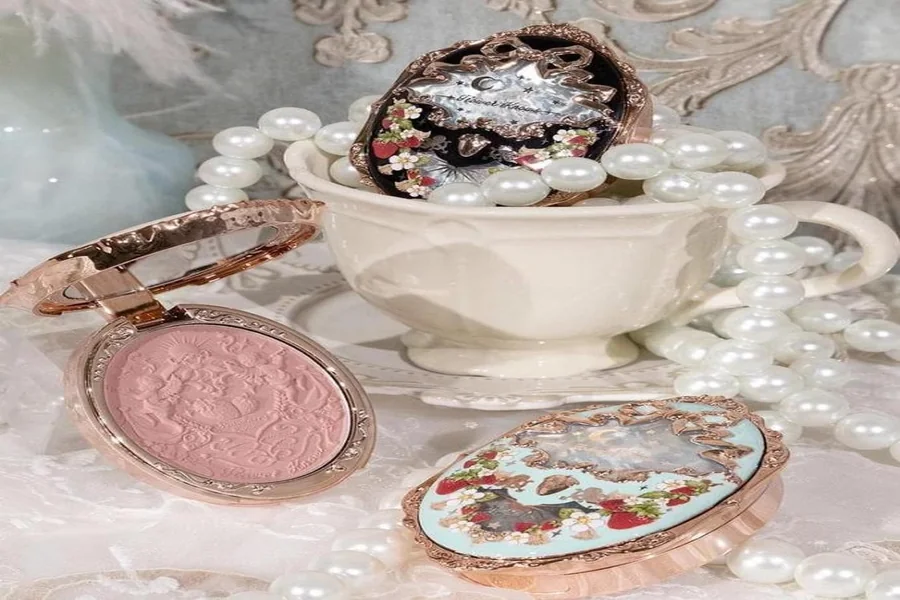
Applying cream blush under powder blush can create depth and help the color appear more dimensional. The cream layer provides a soft base of color, while the powder layer can enhance intensity and add staying power. The Flower Knows Strawberry Rococo Embossed Blush in 05 Berry Mary – Rosy Posy features a pink-red berry shade inspired by the appearance of a fresh, sun-kissed flush. Its rosy berry tone can be used as a finishing touch over a lightly applied cream blush to add definition and a noticeable pop of color without overwhelming the cheeks. Apply the cream product lightly and blend thoroughly before adding a small amount of powder blush, gradually adjusting the intensity as needed. Using controlled amounts of each formula helps prevent the cheeks from looking heavy while maintaining a smooth, balanced appearance.
Mix Matte and Luminous Finishes With a Light Hand
Combining matte and luminous blush finishes can create a balanced, multidimensional cheek look. Matte formulas add structure and provide controlled color, while luminous finishes introduce brightness and a healthy glow. Apply luminous products strategically rather than covering the entire cheek with shine. Using a light hand helps maintain a natural appearance and prevents the finish from becoming overwhelming. A careful mix of textures allows you to enhance your complexion while keeping the overall makeup look refined.
Keep Product Placement Consistent Between Layers
Maintaining consistent placement between blush layers helps create a cohesive final result. Apply additional products in the same general areas rather than spreading color randomly across the face. This keeps the shape of the blush intact and prevents uneven buildup. Whether you are layering cream, powder, matte, or luminous formulas, controlled placement makes blending easier. A consistent approach allows each layer to enhance the previous one while preserving the balance and structure of your cheek makeup.
Conclusion
Layering blush makeup successfully requires patience, control, and thoughtful product choices. Starting with a smooth base, applying thin layers, and blending between steps helps prevent an overly intense finish. Combining compatible formulas and balancing different textures can add dimension while keeping the look natural. The goal is not to apply more product but to build color gradually where it enhances your features. With the right technique, layered blush can create a polished, balanced finish that complements any makeup style.

Hi, I’m Tony — a passionate blogger with over 3 years of experience in writing informative and accurate content. I specialize in sharing practical insights on sizes, measurements, and spatial guides to help readers make confident decisions. Through DimensionsPoint.com, I aim to simplify complex data into easy-to-understand content that’s reliable, useful, and SEO-friendly.
When I’m not writing, I’m researching the latest trends in measurement standards and user needs to keep my content relevant and up to date.