Choosing artwork for your home can be more difficult than it first appears. A painting may look impressive on its own but feel completely different once it is placed on a particular wall, next to specific furniture or under different lighting conditions. Abstract art offers almost unlimited possibilities, which makes it exciting but can also make the choice less straightforward.
The good news is that you do not need to be an art expert to find a piece that works well in your home. A few practical considerations can help narrow down the options and make the process more intentional. From the size of the wall to the colours already present in the room, each detail can influence how a painting will look and feel in the finished space.
1. Start With the Space You Want to Decorate
Before looking at individual paintings, consider the room where the artwork will be displayed. Think about the wall, the furniture nearby, the amount of natural light and the overall atmosphere of the space.
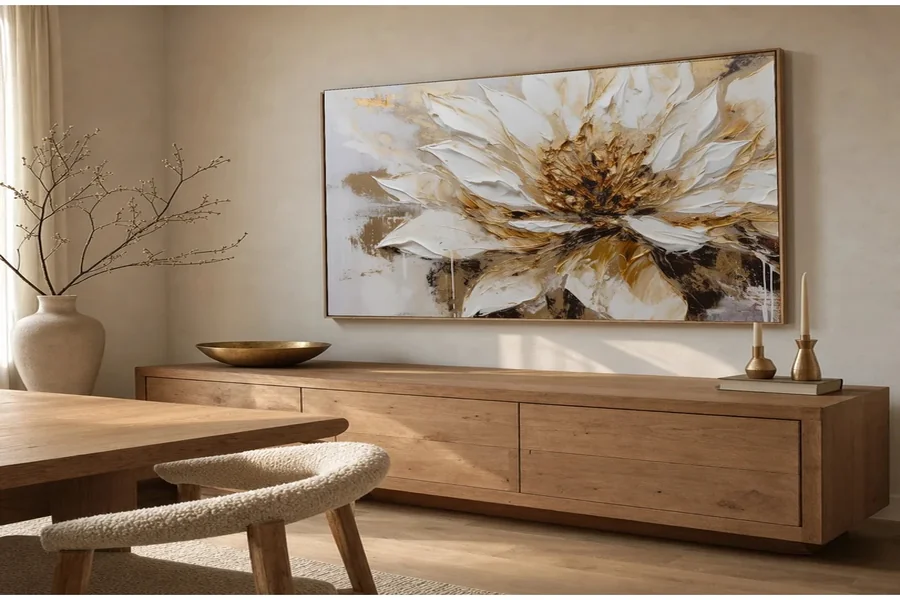
A large empty wall can accommodate a substantial painting or a strong visual composition. A smaller wall may work better with a more compact piece. The surrounding furniture also matters. Artwork above a sofa, bed or sideboard should generally relate to the proportions of the furniture beneath it rather than appearing too small or overwhelming.
It is useful to take a photograph of the wall before shopping for artwork. This gives you a better sense of the available space and makes it easier to imagine different compositions.
2. Consider the Size and Proportion
Size is one of the most important practical factors when choosing abstract art. Even a painting that perfectly matches your taste can look out of place if its proportions are unsuitable for the wall.
For a large wall, a small artwork may appear visually lost. On the other hand, an oversized piece can dominate a compact room and make the surrounding furniture feel less balanced.
Measure the wall and the furniture that will sit below or near the artwork. If possible, mark the approximate dimensions on the wall with removable tape. This simple step can help you understand how much visual space the painting will occupy before making a purchase.
3. Look at the Existing Colour Palette
Abstract art does not have to match your interior exactly. In fact, a painting can be more interesting when it introduces a contrasting colour or unexpected combination. However, the existing palette of the room is still worth considering.
Look at the colours of the walls, flooring, furniture, curtains, rugs and other large elements. You can then decide whether you want the artwork to blend into this palette or create a deliberate contrast.
One useful approach is to choose a painting that contains at least one colour already present in the room. The connection can be subtle rather than obvious. A muted shade from the artwork might echo a cushion, wooden finish or decorative object without making the room look overly coordinated.
4. Decide What Mood You Want to Create
Abstract art can influence the atmosphere of a room through colour, composition, movement and texture. Before choosing a painting, think about how you want the space to feel.
Soft colours and open compositions may contribute to a calm atmosphere, while stronger contrasts and energetic forms can create a more dynamic visual effect. A bedroom, reading area or quiet corner may call for a different mood from a living room or creative workspace.
There is no universal rule about which type of abstract art belongs in a particular room. Your personal response to the artwork is an important part of the decision.
5. Think About the Style of the Interior
Abstract artwork can work with many different interior styles. It can complement minimalist spaces, contemporary rooms, classic interiors and eclectic homes.
The key is to consider the relationship between the painting and the rest of the room. A highly expressive artwork may become a focal point in an otherwise restrained interior. In a room that already contains several strong patterns or decorative elements, a more restrained composition may provide visual balance.
Rather than trying to find a painting that belongs to exactly the same style as your furniture, look for connections in colour, shape, scale or overall atmosphere.
6. Choose Something You Will Enjoy Looking At
Perhaps the most important part of choosing abstract art is your own reaction to it. Unlike functional furniture, artwork does not need to solve a practical problem. Its value can come from the emotions, ideas or visual interest it creates.
Spend some time looking at a piece before deciding. Ask yourself whether you continue noticing something new in it, whether the colours appeal to you and whether you can imagine seeing it every day.
It is easy to choose artwork because it fits a current trend or because it resembles something seen in a design magazine. However, a piece that genuinely appeals to you is more likely to remain satisfying after trends change.
7. Consider Where the Artwork Will Be Seen From
Artwork is not always viewed from directly in front of the wall. In an open-plan home, a painting may be visible from the kitchen, dining area or hallway. In a bedroom, it might be seen from the bed rather than from the centre of the room.
Think about the main viewing angles and how the composition will work from those positions. Strong shapes, contrasting colours or distinctive forms may attract attention from across the room, while subtle details may become more noticeable at closer range.
This is another reason to consider the painting as part of the whole space rather than as an isolated object.
8. Pay Attention to Lighting
Lighting can significantly affect how abstract art looks. Natural daylight may reveal colours and textures differently from warm artificial lighting in the evening.
Check how much direct sunlight reaches the wall and whether the artwork will be affected by glare. If the room has limited natural light, consider whether additional lighting could help the painting become a stronger part of the interior.
A well-positioned lamp or dedicated artwork lighting can make a significant difference, particularly in rooms that are frequently used in the evening.
9. Decide Whether the Artwork Should Lead or Support
Not every painting needs to be the main feature of a room. Before choosing one, decide whether you want it to become a focal point or support the existing interior.
A large, colourful abstract painting can become the visual centre of a relatively simple room. Alternatively, a quieter composition can complement furniture and architectural features without competing for attention.
Neither approach is better. The right choice depends on what the room already contains and what role you want the artwork to play.
10. Use a Simple Checklist Before Buying
Once you have found a painting that catches your attention, use this checklist before making a final decision:
- Have you measured the wall and considered the artwork’s proportions?
- Does the colour palette work with the main colours already present in the room?
- Does the artwork create the atmosphere you want?
- Does its visual weight suit the furniture and surrounding space?
- Will you be able to see it comfortably from the main areas of the room?
- Have you considered natural and artificial lighting?
- Do you genuinely like the artwork rather than choosing it only because it is fashionable?
- Can you imagine living with the piece for several years?
Where to Start Looking for Abstract Art
Once you understand the size, colours, mood and style you are looking for, browsing becomes much easier. Instead of searching through every possible type of artwork, you can focus on pieces that meet the requirements of your particular space.
Online collections can be especially useful because they allow you to compare different compositions, colour combinations and artistic approaches before deciding what works for your home. Tryartwork, for example, can be used as a starting point for exploring abstract artworks when you already have an idea of the style and visual qualities you want.
The important part is to use the selection process thoughtfully. The goal is not simply to find an attractive image, but to find a piece that works with the proportions, atmosphere and character of your home.
Let the Artwork Become Part of Your Home
Choosing abstract art does not have to be complicated. Start with the room, understand the available space, consider colour and lighting, and think about the atmosphere you want to create. Then give yourself time to find a piece that genuinely interests you.
Abstract art can be particularly versatile because it does not always represent a specific subject or place. Its meaning can come from colour, shape, texture and composition, allowing different people to respond to the same work in completely different ways.
The best choice is therefore not necessarily the most expensive, fashionable or dramatic painting. It is the one that feels right for the space and continues to give you something to look at and appreciate over time. With a simple checklist and a clear idea of what you want, finding that piece becomes a much more manageable process.

Hi, I’m Tony — a passionate blogger with over 3 years of experience in writing informative and accurate content. I specialize in sharing practical insights on sizes, measurements, and spatial guides to help readers make confident decisions. Through DimensionsPoint.com, I aim to simplify complex data into easy-to-understand content that’s reliable, useful, and SEO-friendly.
When I’m not writing, I’m researching the latest trends in measurement standards and user needs to keep my content relevant and up to date.