
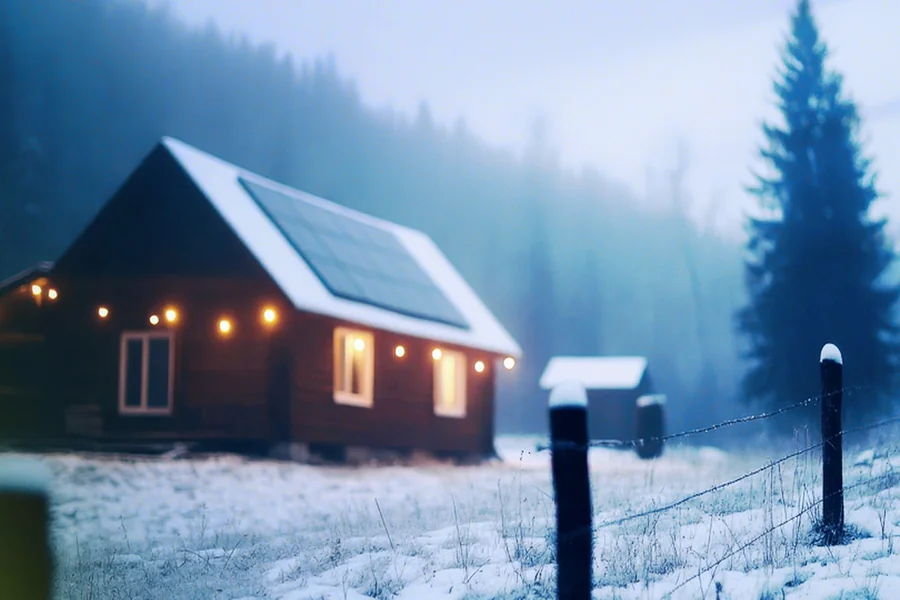
The following are a few simple ways to make your home more energy-efficient:
Energy bills are still climbing and lots of homeowners are seeking to save cash on their bills whilst building a much more comfortable space to live in. Why not do a few simple changes around the house that can help to use energy more efficiently without serious renovation? Simple Home Energy Saving Tips: Make your home more insulated, upgrade the lighting, utilize smart devices, and make better decisions about everyday activities. These enhancements can contribute to money, comfort, and needless energy cost.
For an energy-efficient home big dollars and expensive pieces of equipment are not always the only solutions. There are many improvements that can be completed over time, for little or no cost. It doesn’t matter if you are in a new home or an older home, but small changes can add up over time.
The Importance of Energy Efficiency in the Home
Energy efficiency is defined as reducing the amount of energy needed to do the same work. A smart energy using home will need less heating, cooling and electricity.
There are several benefits to be had from improving the energy efficiency:
- Lower energy bills
- Better indoor climate with more comfortable temperatures.
- Reduced energy waste
- Improved indoor air quality.
- Increased home value
When building buyers are selecting a property, many are now taking into account the energy features. Building a system that is efficient and cheap to operate can make the home more appealing to the market.
Simple Tips to Help You Make Your Home More Energy Efficient
The energy efficiency of a home can be enhanced in a myriad of ways. Some are relatively easy do-it-yourself projects and others more might need outside assistance. The first thing to do is to begin with the changes that will be most effective for the amount of money in your budget.
1. Improve Home Insulation
Insulation is a great part of ensuring your home is comfortable year round. It helps to keep the heat within the room during cold weather and to keep it out during hot weather.
If the insulation is not adequate, heating and cooling systems will have to work harder to keep the home warm or cool, resulting in higher energy consumption.
Insulation improvements can be made in the following common areas:
- Attics
- Walls
- Basements
- Floors
For Windows and Doors
Appropriate insulation can contribute to a better indoor temperature and lower energy bills.
2. Seal Air Leaks Around Your Home
Conditioned air can leak out through small gaps and cracks. This causes a heating or cooling system to run more than is required.
Typical locations for air leaks are:
- Window frames
- Door edges
- Electrical outlets
- Plumbing openings
- Attic spaces
These leaks can be stopped by using weather stripping and caulk. It’s a straightforward upgrade that can help enhance your home’s comfort and maintain energy savings.
3. Use LED Lights Rather Than Incandescent
Bulbs consume more electricity, and may require replacement more often than traditional bulbs. One best way to achieve energy efficiency is to switch to LEDs.
LED bulbs:
- Use less electricity
- Last longer
- Produce less heat
- Require less maintenance
Use of old bulbs can be changed in the home to decrease energy usage and enhance interior lighting.
4. Use Smart Thermostat Technology
Home heating and cooling can be a significant part of home energy consumption. Using a smart thermostat allows for a more efficient regulation of temperature.
By using a smart thermostat, homeowners can:
- Adjust temperatures automatically
- Create schedules
- Control settings remotely
- Turn down or off heaters or coolers when they aren’t needed.
These devices can assist reduce energy bills by only using energy during periods of need.
5. Save Energy for Heating and Cooling Systems
Your HVAC system will run efficiently if you maintain it regularly. A poorly maintained system can consume more energy and heat or cool less efficiently.
Some of the easiest maintenance tasks are:
- Regularly changing air filters.
- Cleaning vents
- Checking system performance
- Scheduling professional inspections
A clean system will last longer and operate more efficiently.
6. Choose Energy-Efficient Appliances
Older appliances use more electricity than newer appliances. The replacement of any aging appliances with energy-efficient models can lower the amount of energy used in the home.
Consider upgrading appliances such as:
- Refrigerators
- Washing machines
- Dishwashers
- Ovens
When purchasing new appliances, look for energy ratings and select appliances that will fit your needs in the home.
7. Minimize the Use of Water Energy
There’s a lot of energy needed to heat water. Making small changes to water use can help reduce energy consumption.
Helpful steps include:
- Installing low-flow showerheads
- Fixing leaking faucets
- Cold washing of clothes.
- Using efficient water heaters
The changes can bring down water and energy bills.
8. Replace Windows and Doors That Are Faulty, Drafty, or Broken
Windows and doors can have an impact on your home’s energy consumption. Old windows may allow heat or cool air to escape.
Energy-efficient upgrades include:
- Double-pane windows
- Proper window seals
- Insulated doors
- Window coverings
Curtains or blinds can also be installed to help to regulate the temperature inside the house if replacement windows are not possible.
9. Make Better Use of Natural Light
Utilizing natural light can help save on the amount of daylighting required.
Simple ideas include:
- Letting in light for the day time
- Keeping windows clean
- Favoring lighter shades in interior colors.
- Arranging furniture to allow more sunlight
One of the biggest challenges when it comes to solar energy is utilizing it in the right way so that your home becomes brighter, and electricity usage is decreased.
10. Install Solar Energy Solutions
Solar-powered energy can be used to decrease reliance on conventional electricity. Solar panels are a cost up front, but could pay off over time.
Examples of solar solutions are:
- Rooftop solar panels
- Solar water heaters
- Solar outdoor lighting
When installing solar equipment, take your location, roof condition and energy needs into consideration.
11. Use Energy-Efficient Home Habits
Changes in daily behaviors can make a big difference in energy consumption. Saving is a habit that can be formed to save money over time.
Helpful habits include:
- Switching OFF Unused Lights
- Unplugging unused electronics
- Using power-saving settings
- Washing full loads in washing machines and dishwashers.
They are simple steps that can be taken with minimal effort that can save energy that is not needed.
12. Enhance the Energy Efficiency of the Kitchen
There are lots of energy-intensive equipment in the kitchen. Energy consumption can be reduced by making smarter choices.
Consider:
- Proper use of the burner size when preparing meals.
- Balance the temperatures in the refrigerator.
- Minimize the use of the oven by avoiding unnecessary usage.
- Regularly clean coils of cleaning appliances
There are small things that everyone can do in the kitchen that can help make the household more efficient.
Creating an Energy-Efficient Home Plan
The best way to improve energy efficiency is to have a plan in place. The first step is to discover where energy is being wasted in your house.
Consider:
- Reviewing energy bills on a monthly basis
- Inspecting insulation
- Reviewing appliance efficiency
- Finding drafts or leaks.
Concentrate on those improvements that will give you the most bang for your buck
Common Mistakes to Avoid
There are some pitfalls when trying to improve the efficiency of energy use, which can negate the gains.
Avoid:
- Ignoring proper insulation
- Purchasing energy rated appliances without considering their energy rating
- Monitoring for small air leaks
- Selecting upgrades without taking your home’s requirements into account.
Each home is unique and is dependent on your property and lifestyle.
Making Energy Efficiency Changes That Are Cost-Effective
Starting saving energy doesn’t take a big capital investment. There are many inexpensive changes that can have good results.
Affordable options include:
- Replacing light bulbs with LEDs
- Adding weather stripping
- Using smart power strips
- Installing programmable thermostats
- Improving window coverings
Cost reductions are cumulative and can be significant with some minor changes.
Final Thoughts
Investing in the energy efficiency of one’s home is a matter of making some wise decisions so as to minimize waste and keep the residents comfortable. It is not necessary to make all the upgrades immediately. Take small steps at first and work on changes as your finances permit.
The Simple Ways to Make Your Home More Energy Efficient can help you cut energy bills, enhance your comfort in your home and add value to your home in the long run. Whether it’s with improved insulation, energy-efficient appliances or smarter habits, a host of improvements brings you one step closer to a house that makes better use of energy.

Hi, I’m Tony — a passionate blogger with over 3 years of experience in writing informative and accurate content. I specialize in sharing practical insights on sizes, measurements, and spatial guides to help readers make confident decisions. Through DimensionsPoint.com, I aim to simplify complex data into easy-to-understand content that’s reliable, useful, and SEO-friendly.
When I’m not writing, I’m researching the latest trends in measurement standards and user needs to keep my content relevant and up to date.