
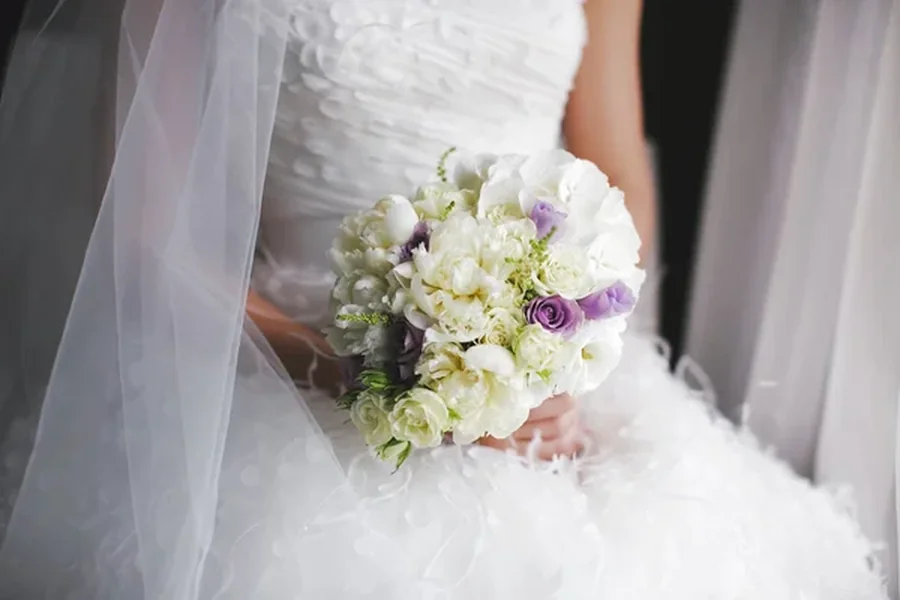
In the world of weddings, the bridal bouquet is a timeless symbol of beauty and tradition, a critical component that has subtly evolved over centuries. From delicate posies to extravagant floral arrangements, every aspect of a bridal bouquet tells a story. It’s worth noting that The Interior Collections creates wedding bridal bouquets for your actual day ceremony in Singapore. Their creative artistry and attention to detail capture the essence of modern celebrations while honouring age-old customs.
Historical Roots of Bridal Bouquets
The tradition of carrying flowers by brides dates back to ancient civilisations. In Ancient Rome, brides carried bunches of herbs, spices, or even grains as a symbol of fidelity and fertility. In the Middle Ages, flowers and herbs were believed to ward off evil spirits and bad luck. The ingredients varied depending on local customs, but they always held significant meanings.
It was not until the Victorian era that the concept of the modern bridal bouquet took flight. This period saw the rise of the language of flowers, or floriography, where each flower symbolised specific sentiments. Victorian brides would choose blooms that expressed emotions they hoped to convey, a practice that continues to influence bridal bouquets in contemporary weddings.
The Modern Meaning of Bridal Bouquets
Today, bridal bouquets are not just ornamental. They are an extension of a bride’s personality and the overall theme of the wedding. Flowers are handpicked for their colour, texture, fragrance, and unique symbolism. While roses might signify love and passion, lilies can denote purity, and peonies suggest prosperity and honour. Understanding these meanings allows brides to infuse their personal narratives into their special day.
Styles and Trends in Current Bridal Bouquets
Bridal bouquets come in various styles and trends, each offering distinct aesthetics. Here are some of the popular styles:
1. Cascade Bouquets
Inspired by floral arrangements of the 1980s, cascade bouquets are experiencing a renaissance. They feature a waterfall of flowers, creating a dramatic and elegant look. Perfect for formal ceremonies, they require a skilled florist to execute their delicate, flowing shape.
2. Posy Bouquets
Posy bouquets are small and round, usually tied with a ribbon. They are versatile, light, and easy to carry, ideal for brides seeking simplicity and sophistication. Posy bouquets often blend traditional elegance with contemporary charm, making them a staple choice.
3. Hand-tied Bouquets
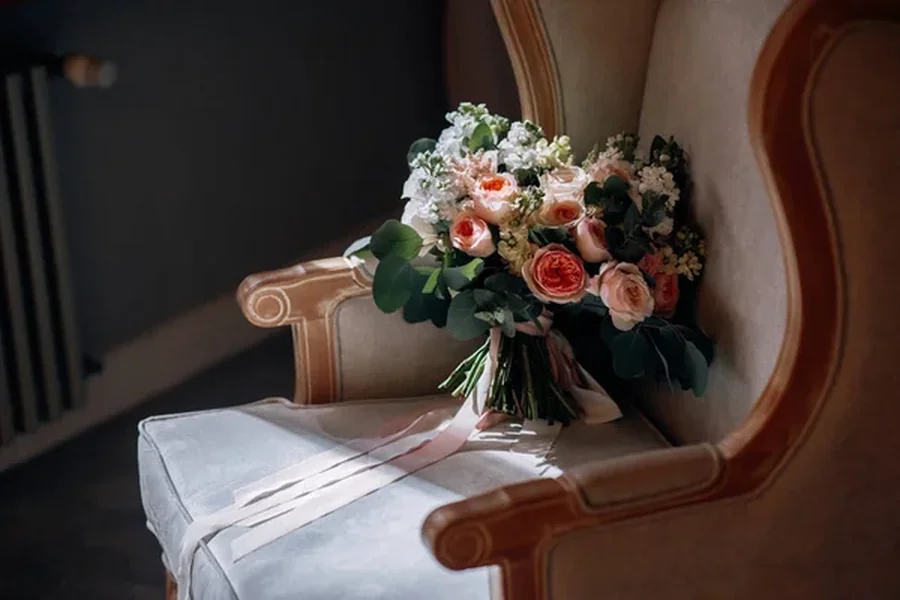
These bouquets offer a more relaxed, organic appearance with flowers selected and arranged in a natural manner. The stems, often wrapped in fabric or twine, give a rustic feel, suitable for outdoor or bohemian-themed weddings.
4. Nosegay Bouquets
A cross between the posy and the hand-tied bouquet, the nosegay design is formal but compact, often used as a complement to intricate wedding gowns. This style allows brides to make a bold, stylish statement while retaining a level of comfort and practicality.
Factors Influencing Bridal Bouquet Choices
Flowers and styles chosen for bridal bouquets can be influenced by several factors:
1. Seasonal Availability
The availability of various flowers can shift with the seasons. Although technological advances allow access to off-season blooms, many brides prefer using seasonal flowers to maintain freshness and reduce costs.
2. Wedding Venue and Theme
The location and theme play a significant role in bouquet choice. A beachfront ceremony might inspire a more tropical selection, while a classic ballroom wedding might lean towards roses and peonies to match a formal aesthetic.
3. Colour Palette
The wedding’s colour scheme greatly influences the choice of flowers. Brides strive for harmony between their bouquet and the overall decor, incorporating touches that reflect both the personal and cultural significance.
4. Cultural and Personal Significance
Cultural traditions and personal preferences guide the selection of flowers. Some blooms may hold priceless memories or cultural connections, influencing a bride’s decision.
Crafting a Bespoke Bridal Bouquet
Creating a bespoke bridal bouquet involves a meticulous process of combining tradition and innovation. Florists collaborate closely with brides to understand their visions and craft arrangements that perfectly capture the wedding’s spirit. Bespoke services allow for personalised touches, incorporating unique elements and detailing that hold special meaning to the couple.
The Practical Aspects of Choosing a Bridal Bouquet
When selecting a bridal bouquet, several practical considerations come into play, including:
1. Durability and Weight
Brides should select flowers that withstand the day’s movements without wilting, bruising, or shedding petals. Balancing the bouquet’s weight is crucial for comfort, especially during prolonged ceremonies and photo sessions.
2. Budget Management
Bouquets can significantly differ in price based on the type and availability of flowers. Florists guide clients in achieving an opulent look within financial constraints, suggesting alternatives or minimising costs without compromising visual impact.
3. Collaboration with Florists
Open communication with florists is key to materialising the perfect bouquet. Discussing ideas, providing pictorial inspirations, and discussing practicality ensures the finished product reflects both personal taste and professional insight.
Conclusion
Whether a bride prefers a classic aesthetic or a modern twist, the bridal bouquet remains a significant, personal expression of style and sentiment. The journey from historical traditions to present-day interpretations highlights both continuity and innovation in wedding rituals. For brides in Singapore, a resource like The Interior Collections offers a pathway to integrate these elements into their ceremonies, ensuring each bouquet serves as a cherished emblem of their start together.

Hi, I’m Tony — a passionate blogger with over 3 years of experience in writing informative and accurate content. I specialize in sharing practical insights on sizes, measurements, and spatial guides to help readers make confident decisions. Through DimensionsPoint.com, I aim to simplify complex data into easy-to-understand content that’s reliable, useful, and SEO-friendly.
When I’m not writing, I’m researching the latest trends in measurement standards and user needs to keep my content relevant and up to date.