
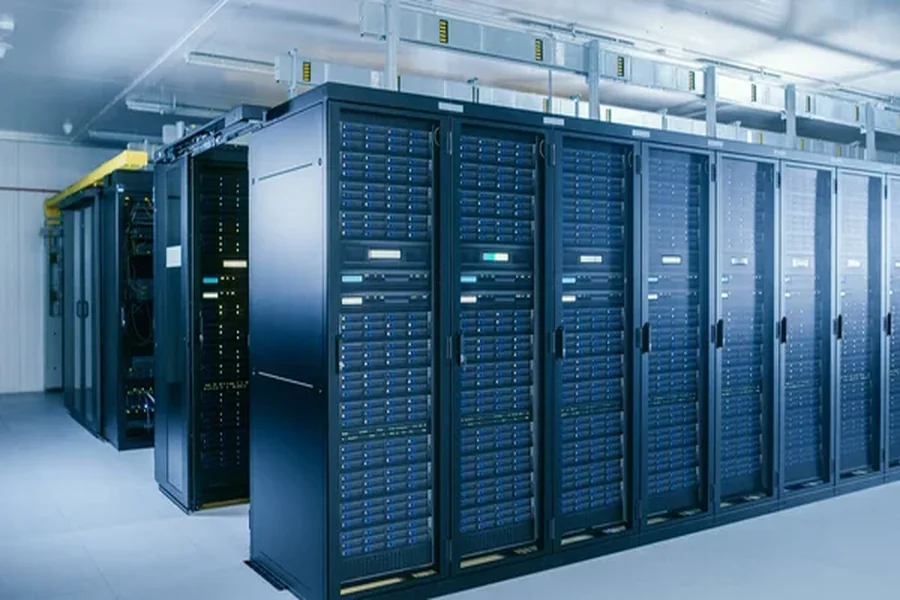
The Southeast Asia data centre market is entering a period of rapid transformation as businesses, governments and consumers increasingly depend on digital services. Cloud computing, artificial intelligence (AI), e-commerce, streaming, financial technology and other online applications are creating unprecedented demand for reliable digital infrastructure.
Rising Demand for Data Centres in Southeast Asia
The growth of the Bridge Data Centres is closely connected to the region’s expanding digital economy. More organisations are moving applications and data to the cloud, while consumers are spending more time using digital platforms and services.
AI is also changing the requirements of modern data centres. Training and running advanced AI systems requires substantial computing power, making high-density infrastructure increasingly important. Across Asia Pacific, AI adoption and cloud investment are accelerating data centre development, with new facilities being designed to accommodate more demanding workloads.
This demand is encouraging further investment in hyperscale, colocation and enterprise data centre facilities. It is also creating opportunities for emerging markets to attract digital infrastructure projects and strengthen their position within the regional technology ecosystem.
Singapore and the Shift Towards Emerging Markets
Singapore has traditionally been an important data centre hub because of its strong connectivity, established digital infrastructure, business environment and strategic position in Asia. However, limited land and power availability are encouraging developers and users to consider neighbouring markets.
Malaysia, Indonesia, Thailand and Vietnam are increasingly becoming important locations for new data centre development in Southeast Asia. Improved connectivity, expanding digital economies and greater availability of land and electricity are helping these markets attract new capacity.
Johor, in particular, has experienced substantial development because of its proximity to Singapore and its access to land and infrastructure. Bangkok and Jakarta are also seeing significant growth in development activity, while Vietnam is emerging as another market supported by increasing digital and AI demand.
This geographical diversification is creating a more distributed Southeast Asian data centre ecosystem rather than one concentrated around a single established hub.
The Importance of Power Infrastructure
Although demand for data centres is strong, access to electricity is becoming one of the biggest challenges facing the industry. Modern facilities require continuous and dependable power, while AI workloads can significantly increase energy requirements.
Data centre electricity consumption across Asia Pacific has already increased substantially, and further growth is expected as cloud computing and AI adoption expand. New facilities are consequently being planned around access to suitable power infrastructure rather than simply around land availability or connectivity.
For Southeast Asian markets, this makes energy planning particularly important. Developers need to consider grid capacity, transmission infrastructure, connection timelines and long-term electricity availability when selecting a location.
Governments and infrastructure planners also face the challenge of supporting digital growth without placing excessive pressure on national electricity systems. Greater investment in generation, transmission, renewable energy and energy efficiency will therefore be important for the continued expansion of the regional data centre industry.
Sustainability and Green Data Centres
Sustainability is becoming increasingly important as the data centre sector expands. Large facilities consume significant amounts of electricity and may also require substantial quantities of water for cooling, particularly in warm climates.
The push towards green data centres in Southeast Asia is therefore gaining momentum. Operators and developers are exploring renewable energy procurement, efficient cooling technologies, improved power management and lower-carbon infrastructure.
AI workloads make this transition even more important because higher computing density can increase both energy consumption and cooling requirements. Efficient cooling systems, including advanced liquid-cooling technologies, are becoming increasingly relevant for facilities designed to support high-performance computing.
Sustainable data centre design can also help address growing expectations from regulators, customers and investors. Energy efficiency, water management and renewable power availability are likely to become increasingly important considerations when evaluating new projects.
Connectivity and Digital Infrastructure
Connectivity remains another major factor influencing the location of a data centre in Southeast Asia. Businesses require fast, reliable connections between data centres, cloud environments, offices, consumers and international markets.
The expansion of subsea cable infrastructure and telecommunications networks is helping emerging markets improve their digital connectivity. Combined with growing domestic internet usage, this is making countries outside traditional hubs increasingly attractive for enterprise workloads and cloud services.
Low latency is particularly important for applications such as financial services, online gaming, video streaming, telecommunications and real-time AI applications. Locating facilities closer to end users can improve performance while also supporting greater resilience across regional networks.
Data Sovereignty and Regulatory Considerations
Data sovereignty is another factor shaping Southeast Asia’s data centre growth. Governments and organisations are paying greater attention to where data is stored, processed and transferred.
Local data protection requirements, cybersecurity policies and regulations governing cross-border data flows can influence infrastructure decisions. Organisations operating across several Southeast Asian countries may therefore require a combination of regional and local data centre capacity.
For data centre developers, understanding regulatory requirements is essential before committing to a new market. Factors such as planning approvals, environmental requirements, power availability, data regulations and construction standards can affect both development timelines and operating costs.
The Future of Southeast Asia Data Centres
The outlook for Southeast Asia data centres remains strong as digital adoption continues to accelerate. The Asia Pacific development pipeline reached a record 26.5GW in the first half of 2026, with Southeast Asia accounting for approximately 50% of the region’s under-construction capacity.
However, future growth will depend on more than investment and demand. Power availability, sustainability, connectivity, land, water resources and regulatory readiness will increasingly determine which locations can support large-scale developments.
The next stage of growth is likely to involve a broader network of data centre markets across the region. Established hubs can continue serving high-value workloads, while emerging locations provide additional capacity and support the growing requirements of cloud computing, AI and digital services.
Conclusion
The Southeast Asia data centre market is becoming a crucial foundation for the region’s digital economy. Growing demand for cloud computing, AI and online services is driving rapid infrastructure development across established and emerging markets.
At the same time, challenges involving electricity, sustainability, water, connectivity and regulation are shaping where new facilities can be built successfully. As the industry develops, data centres that combine reliable power, efficient cooling, strong connectivity and sustainable design will be better positioned to support Southeast Asia’s long-term digital transformation.

Hi, I’m Tony — a passionate blogger with over 3 years of experience in writing informative and accurate content. I specialize in sharing practical insights on sizes, measurements, and spatial guides to help readers make confident decisions. Through DimensionsPoint.com, I aim to simplify complex data into easy-to-understand content that’s reliable, useful, and SEO-friendly.
When I’m not writing, I’m researching the latest trends in measurement standards and user needs to keep my content relevant and up to date.