
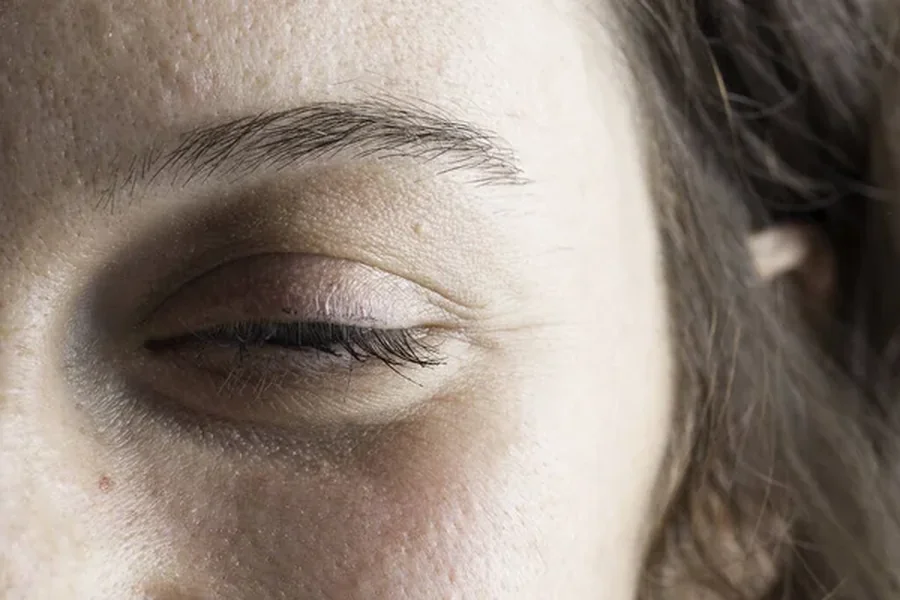
Droopy upper eyelids can affect more than facial appearance. When the upper eyelid sits lower than normal, it may restrict the upper field of vision, contribute to eye strain and create an uneven appearance between the eyes. This condition, known medically as ptosis or blepharoptosis, can develop with age, occur because of muscle or nerve problems, follow an injury, or be present from birth. For people whose eyelid drooping affects vision, comfort or confidence, ptosis surgery may be considered.
What Is Ptosis?
Ptosis is the medical term for an abnormally low or drooping upper eyelid. It may affect one eye or both and can range from mild to severe. In some cases, the eyelid only slightly covers the upper part of the eye, while more significant ptosis can obstruct a substantial portion of the visual field.
The condition can be congenital, meaning it is present from birth, or acquired later in life. Ageing is a common factor because the muscles and supporting tissues responsible for lifting the eyelid can gradually weaken or stretch. Previous eye surgery, trauma, prolonged contact lens use and certain medical or neurological conditions can also contribute to acquired ptosis.
Common Signs of Droopy Eyelids
The most noticeable symptom of ptosis is a lower-than-normal upper eyelid. However, the condition can cause several functional and visual concerns. People may experience difficulty seeing objects in the upper part of their visual field, tired eyes, forehead discomfort or headaches caused by constantly raising the eyebrows to compensate for the drooping lid.
Some individuals unconsciously tilt their head backwards or lift their eyebrows to see more clearly. Children with significant congenital ptosis may be at risk of visual development problems, particularly when the eyelid interferes with normal vision.
When Is Ptosis Surgery Recommended?
Not every person with a drooping eyelid requires surgery. Mild ptosis that does not affect vision or cause significant concerns may simply be monitored. However, surgical treatment may be considered when eyelid drooping interferes with everyday activities, affects the visual field or creates noticeable facial asymmetry.
A thorough eye assessment is important before deciding on treatment. An ophthalmologist may examine eyelid position, muscle function, eye movements and the visual field. The underlying cause should also be considered because ptosis can sometimes be associated with an underlying medical condition that needs treatment rather than immediate surgery.
How Ptosis Surgery Works
Ptosis repair aims to raise the upper eyelid to a more appropriate position while maintaining comfortable eyelid movement and closure. The surgical technique depends largely on the strength and function of the eyelid-lifting muscle, as well as the severity and cause of the ptosis.
One common approach involves accessing and tightening or advancing the levator muscle or its supporting tendon. This can help improve the height of the eyelid while creating a more balanced appearance. Another technique may involve working from the inside of the eyelid, avoiding an external skin incision. For people with weaker eyelid-lifting muscles, a frontalis sling procedure may sometimes be considered to help elevate the eyelid using the forehead muscle.
The procedure is often performed as an outpatient operation using local anaesthetic, sometimes with sedation. The exact approach and anaesthesia plan will depend on the individual’s circumstances and the surgeon’s assessment.
Benefits of Ptosis Repair
The main benefit of ptosis correction is improving the position of the upper eyelid. When drooping has been restricting the visual field, raising the eyelid can improve the ability to see upwards and may make everyday activities more comfortable.
Treatment can also improve facial symmetry and reduce the need to constantly raise the eyebrows or tilt the head to compensate for the drooping eyelid. For some people, correcting ptosis can therefore provide both functional and aesthetic benefits.
Recovery After Ptosis Surgery
Recovery varies from person to person. Swelling and bruising around the eyelids are common following surgery and can remain noticeable for several weeks. Cold compresses may be recommended during the early recovery period to help reduce swelling, while prescribed lubricating drops or ointment can help protect the eye when eyelid closure is temporarily affected.
Patients are generally advised to follow their surgeon’s instructions carefully during recovery. Activities such as strenuous exercise, swimming and applying eye make-up may need to be avoided temporarily. Follow-up appointments are important because the eyelid position can change as swelling decreases and the tissues heal.
Potential Risks and Complications
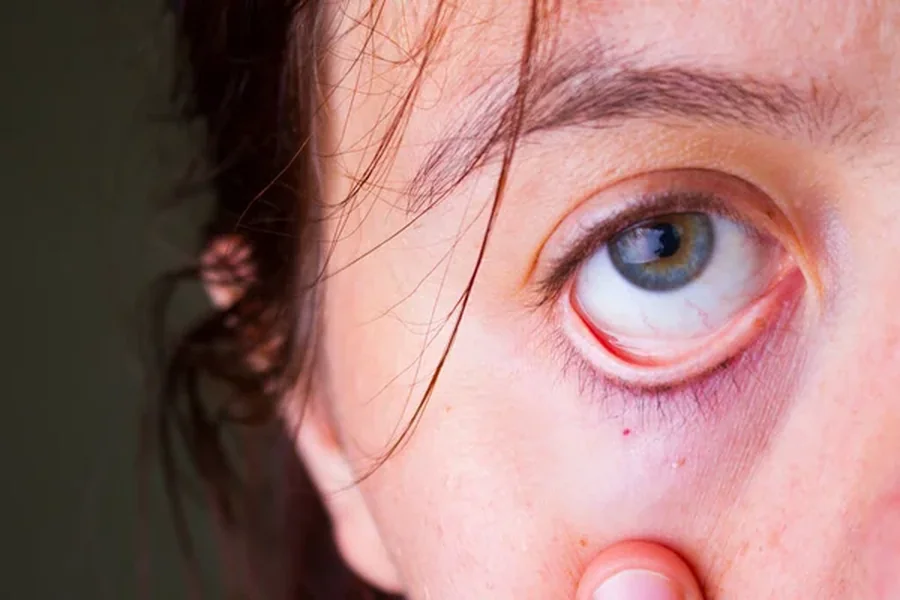
Like any surgical procedure, ptosis repair carries potential risks. Temporary bruising, swelling and discomfort are common. Other possible complications include infection, bleeding, undercorrection, overcorrection, eyelid asymmetry, changes in eyelid contour and recurrence of ptosis.
In some cases, the eyelid may not close completely after surgery. This can contribute to dry or irritated eyes and, in more significant cases, exposure of the cornea. Careful assessment before surgery is therefore particularly important for people who already have dry eyes or other conditions affecting the surface of the eye.
Choosing the Right Treatment Approach
Every case of ptosis is different, so treatment should be personalised rather than based solely on appearance. The cause of the drooping, eyelid muscle strength, degree of visual obstruction, eye health and desired outcome can all influence the recommended procedure.
People considering droopy eyelid surgery should discuss their expectations, medical history and possible risks with a qualified eye specialist. A detailed assessment can help determine whether surgery is appropriate and which ptosis correction technique is most suitable.
Conclusion
Ptosis can affect vision, comfort and facial symmetry, making appropriate treatment an important consideration for people experiencing persistent droopy eyelids. Ptosis surgery can raise the upper eyelid, improve the visual field and create a more balanced appearance when surgery is clinically appropriate. Because causes and eyelid function vary considerably, professional assessment is essential before treatment. Understanding the procedure, recovery process, potential risks and expected results can help patients make informed decisions and approach ptosis correction with realistic expectations.

Hi, I’m Tony — a passionate blogger with over 3 years of experience in writing informative and accurate content. I specialize in sharing practical insights on sizes, measurements, and spatial guides to help readers make confident decisions. Through DimensionsPoint.com, I aim to simplify complex data into easy-to-understand content that’s reliable, useful, and SEO-friendly.
When I’m not writing, I’m researching the latest trends in measurement standards and user needs to keep my content relevant and up to date.