

Capacity is the number buyers look at first and understand last. A solar generator is described by watt-hours and watts, and the two mean different things: one is how much energy it holds, the other is how fast it can deliver it. Confusing the two leads to a unit that runs the wrong devices for the wrong amount of time. This article explains the units, shows how to match them to real appliances, and gives a simple way to estimate the runtime you need with a sensible margin. The two numbers are not interchangeable, and treating them as one is the most common error. Read them separately. That is the first habit.
Unit Basics
Wh vs W – energy vs power
Watt-hours measure energy, and watts measure power. A 1,000Wh pack can run a 100W load for about ten hours in theory, or a 500W load for two. Anyone asking how many watts to run a house should start with the energy figure, because it sets the ceiling on runtime. The wattage figure sets the ceiling on what can be plugged in at once. A unit can have plenty of one and not enough of the other, which is why both numbers belong in the comparison. A pack’s usable energy is often lower than its nominal figure, because the management system keeps a reserve at the bottom. Check the usable watt-hours if the maker publishes them. Ask for it.
Rated power vs peak power
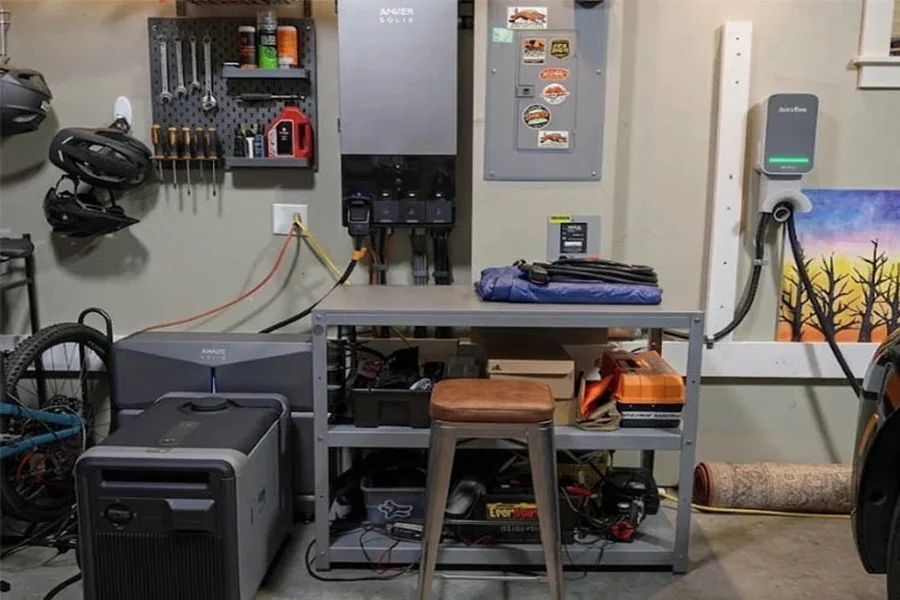
Rated power is the output the unit can sustain, and peak power is the short burst it can deliver. Motors need a surge that can be several times their running wattage, so the peak rating matters for fridges and pumps. A unit like the Anker SOLIX E10 Whole-Home Backup, for example, sustains 7,680W and can surge well beyond that for a few seconds—enough to start a compressor—while its expandable battery leaves room to grow. Read both numbers before you match a device, and leave headroom for the start-up surge. The rated figure tells you what the unit can carry all day; the peak figure is what gets the motor started. Match both, and the load runs without a trip.
Device Matching
What it can run – resistive vs inductive loads
Resistive loads such as lamps, heaters, and kettles draw a steady current and are easy to run. Inductive loads such as motors, compressors, and pumps draw a surge at start-up and can pull more than their label suggests. A unit that runs a 1,500W heater may trip on a 1,000W pump because of the surge. Matching the load type matters as much as matching the wattage, and the label on the appliance rarely tells the whole story. A heater and a fridge may draw the same running wattage and behave completely differently at start-up. That is why the device list matters more than the total. It changes the answer.
What it cannot run – motors with high starting current
Some devices are simply beyond a small unit. A well pump, a large air conditioner, or a table saw can draw several times its running wattage for a second or two, and that second is enough to trip the output. If the device is essential, size for the surge rather than the run. If it is optional, plan to run it only when the battery is full and the sun is strong. Knowing what the unit cannot run is as important as knowing what it can. If a motor is essential, a soft-start kit can reduce the surge, and a larger unit can absorb it. Both are cheaper than discovering the limit during an outage. Plan ahead.
Real-World Estimation
Estimate by device wattage times runtime
Estimate runtime by multiplying each device’s wattage by the hours it runs, then adding the results. A fridge that draws 150W for a third of the day uses about 1,200Wh; a router that draws 10W all day uses 240Wh. The math is simple, and it is far more reliable than guessing. Write the numbers down for the devices that matter, and the total tells you the size of the pack you need. Use a watt meter for a week if you want real numbers, because labels are often optimistic. The meter turns guesswork into a list you can add up. It is worth the effort.
Leave a 20 to 30 percent margin
Leave a margin of 20 to 30 percent. Batteries lose capacity as they age, inverters are not perfectly efficient, and cold weather reduces usable energy. A pack sized exactly to the calculated load will feel adequate on day one and marginal by year three. The margin is not waste; it is the difference between a unit that still works in a hard week and one that has to be replaced early. Size for the load plus a little room. The margin also covers the devices you forget to list, which are usually the small ones that run all day. A little headroom absorbs them without a rethink. That is the point.
Conclusion
Units, devices, and estimation are the three steps to reading capacity. Watt-hours set the runtime, watts set the load, and the device type decides whether the numbers actually work in practice. Estimate with real figures, add a margin, and the choice becomes a calculation rather than a guess. A unit that is sized this way will do the job it was bought for. The numbers are not complicated once they are separated. Energy sets the time, power sets the load, and the device type sets the real-world limit. Do the arithmetic, add a margin, and the capacity question answers itself. The method is simple, and it is the one that keeps a backup sized correctly.

Hi, I’m Tony — a passionate blogger with over 3 years of experience in writing informative and accurate content. I specialize in sharing practical insights on sizes, measurements, and spatial guides to help readers make confident decisions. Through DimensionsPoint.com, I aim to simplify complex data into easy-to-understand content that’s reliable, useful, and SEO-friendly.
When I’m not writing, I’m researching the latest trends in measurement standards and user needs to keep my content relevant and up to date.