
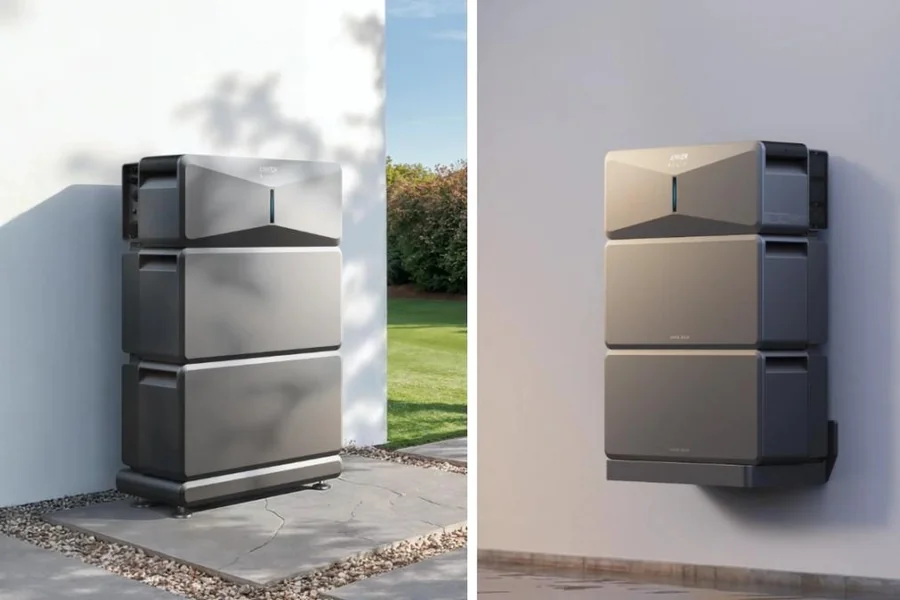
Off-grid kit wiring mistakes can cause overheating, equipment damage, unreliable operation, and electrical shock. Prevent them by checking conductor sizes, component compatibility, protective devices, and the approved wiring diagram before energizing the system. A kit simplifies equipment selection, but its installation still requires careful planning and verification. Solar panels and batteries can remain energy sources even when an inverter is switched off. Use qualified electrical help for installation and testing, and keep accurate records of the completed connections and settings.
Common Off-Grid Kit Wiring Mistakes
Using Incorrect Wire Gauges for Current and Cable Length
Choose conductor sizes using circuit current, cable length, installation method, and applicable temperature adjustments. Undersized wiring can overheat, while excessive voltage drop can impair charging or appliance operation. A cable that appears substantial may still be unsuitable for a long run or bundled installation. Follow equipment specifications and have the installer verify conductor ratings against circuit protection. Check terminal compatibility too, because a larger conductor does not help if the connection cannot accept it correctly.
Reversing Polarity or Making Loose Electrical Connections
Reversed positive and negative connections can damage equipment, while loose terminations can produce resistance heating or arcing. Have qualified personnel verify polarity using appropriate procedures before energizing circuits; wire color alone is insufficient confirmation. Use specified terminals, preparation methods, and tightening torque. Excessive tightening can damage connectors just as inadequate tightening can leave them insecure. Avoid stacking conductors under terminals unless approved, and never tighten or disconnect a connection while it remains energized or loaded.
Mixing Incompatible Solar Panels, Batteries, and Controllers
Matching connectors do not establish electrical compatibility. Check panel operating characteristics, array configuration, battery voltage and chemistry, controller input limits, and required communications. Cold-weather panel voltage must remain within the controller’s maximum rating. Different panels may reduce performance or violate design limits when combined incorrectly. Use approved battery combinations and charging profiles, and have the complete arrangement reviewed before purchasing substitutes or adding components to an existing off-grid system configuration.
Protection and Grounding Errors That Create Safety Risks
Choosing Incorrect Fuse and Circuit Breaker Ratings
Select overcurrent protection to suit the circuit conductors, equipment instructions, and electrical design. An oversized device may leave wiring inadequately protected, while an unsuitable smaller rating can cause repeated interruptions. Verify voltage rating, AC or DC suitability, and interrupting capacity rather than checking amperage alone. Battery circuits can deliver substantial fault current. Never replace a repeatedly tripping breaker with a larger one without investigating the cause and confirming the entire circuit’s requirements through qualified assessment.
Skipping Required Grounding and Bonding Connections
Follow the system’s specified grounding and bonding arrangement rather than copying another installation. Bonding connects designated conductive parts, while grounding requirements reflect the equipment design and installation rules. Missing connections can leave exposed metal hazardous during faults. Extra neutral-to-ground bonds can also create unintended current paths. Do not assume a ground rod replaces required equipment bonding. Ask a qualified electrician to verify the complete arrangement, including inverter behavior and any transfer equipment used in the installation.
Overlooking Disconnect Switches and Cable Protection
Provide the disconnecting means required by the approved design, with clear labels and accessible locations. Switching off an inverter does not necessarily isolate solar inputs, batteries, or other sources. Protect wiring from sharp edges, crushing, abrasion, sunlight, and moisture according to its route and rating. Use suitable supports and cable entries rather than leaving conductors hanging. Keep isolation instructions available so qualified personnel can identify every energy source before servicing.
How to Check Off-Grid Kit Wiring Before Operation
Verify Wiring Diagrams, Voltage, and Current Ratings
Compare the installed arrangement with the exact diagram for your equipment and configuration. If you are installing Anker E10 Off-Grid Kit, keep its installation documentation available while reviewing connections and approved accessories with your installer. Confirm source voltage, polarity, conductor identification, and current limits at each interface. Check that any substitutions or expansion components have documented approval. Record the final configuration, including protective-device ratings and settings, so future servicing follows the system actually installed rather than an outdated drawing or assumption.
Inspect Terminals, Cable Routing, and Environmental Protection
Have the installer inspect terminations and confirm specified torque before covers are secured. Check that cables have adequate support, strain relief, and protection at enclosure entries. Keep wiring away from hot surfaces and moving parts, and preserve required service access. For home battery backup, verify that connections remain protected from household traffic, storage clutter, and moisture. Inspect seals and unused openings, and correct routing problems before operation rather than relying on temporary tape or improvised covers.
Test the System and Arrange Qualified Electrical Inspection
Arrange commissioning by qualified personnel using the manufacturer’s sequence and applicable inspection requirements. Testing should confirm polarity, protective connections, configured settings, and operation under suitable loads. Electrical measurements and isolation checks require appropriate instruments and procedures; a dark display does not establish that equipment is safe to touch. Resolve faults before normal use, and retain test results with installation records. Ask for a demonstration of normal startup, shutdown, and emergency isolation without opening energized enclosures.
Conclusion
Avoid off-grid wiring problems by treating conductors, connections, protection, and grounding as parts of one coordinated design. Verify compatibility before assembly, follow the correct installation diagram, and protect cables throughout their route. Have qualified personnel confirm terminations and complete commissioning before normal operation. Investigate repeated trips or warnings instead of changing protection settings to suppress them. Keep diagrams and test records accessible so maintenance and future expansion preserve the installation’s intended electrical performance and safety.

Hi, I’m Tony — a passionate blogger with over 3 years of experience in writing informative and accurate content. I specialize in sharing practical insights on sizes, measurements, and spatial guides to help readers make confident decisions. Through DimensionsPoint.com, I aim to simplify complex data into easy-to-understand content that’s reliable, useful, and SEO-friendly.
When I’m not writing, I’m researching the latest trends in measurement standards and user needs to keep my content relevant and up to date.