
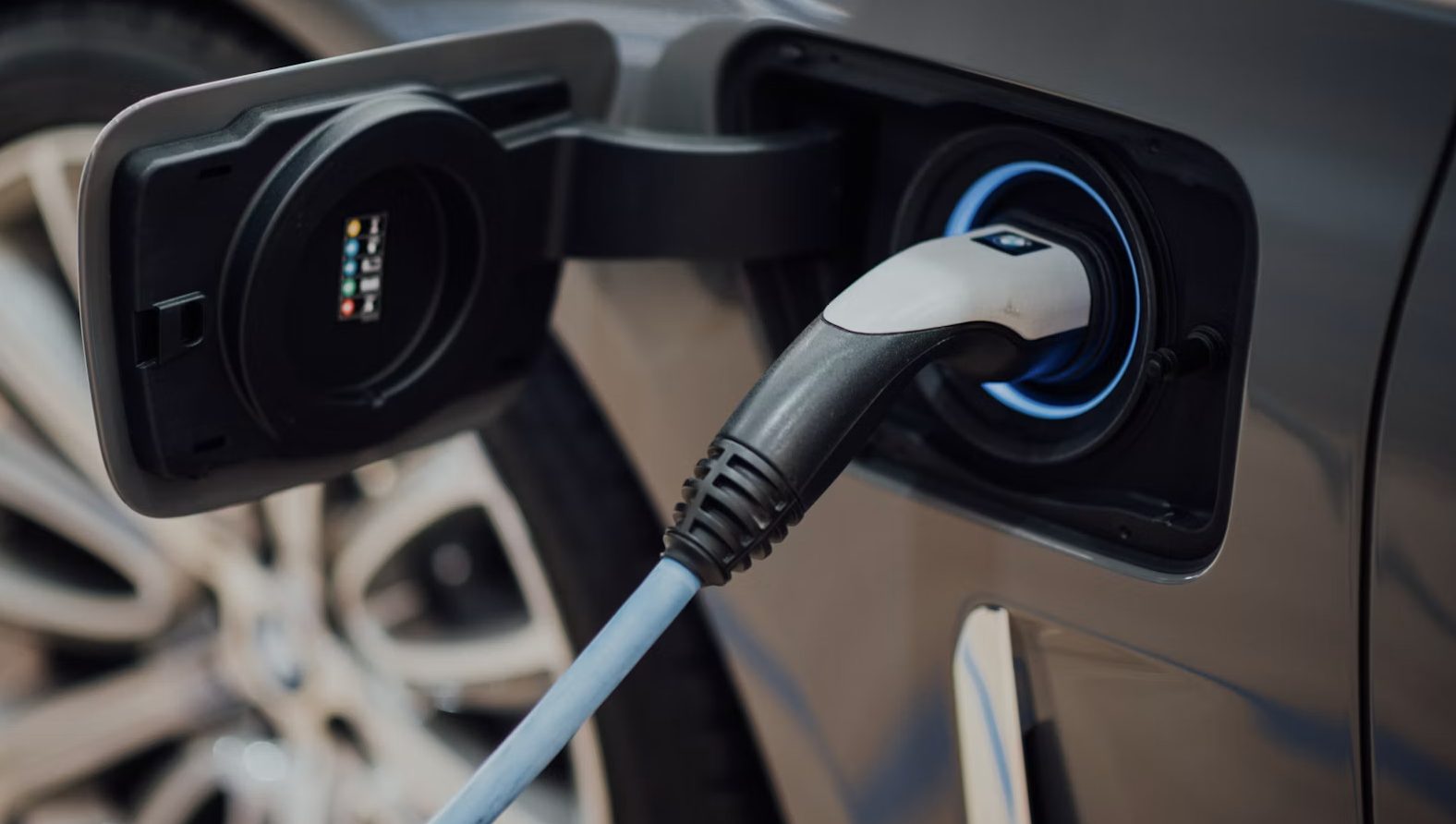
Electric vehicle adoption in Jefferson County has accelerated faster than the residential electrical infrastructure in many of Golden’s neighborhoods was designed to accommodate. A Level 2 home charger, the kind that charges most EVs overnight to full capacity, requires a dedicated 40 to 50-amp, 240-volt circuit. The homes that were built to house the families who now want to charge an EV at home were designed for electrical loads that did not include anything like it.
The first question in an EV charger installation is therefore whether the home’s existing electrical service can support the additional load. That depends on the service rating, available capacity, existing circuits, panel condition, and the charger’s electrical requirements. Checking these factors before installation can determine whether the existing system is suitable or whether an upgrade, new circuit, or other electrical work is needed. Residential Electrician Golden CO can address these service and circuit requirements as part of the installation process.
What Level 2 Charging Actually Requires
A Level 2 EVSE (Electric Vehicle Supply Equipment) runs on a 240-volt circuit with a dedicated breaker sized to the charger’s rated output. Common configurations:
- A 32-amp charger requires a 40-amp dedicated circuit (National Electrical Code requires breakers sized at 125 percent of continuous load)
- A 48-amp charger requires a 60-amp dedicated circuit
- A 50-amp charger requires a 60-amp dedicated circuit under the same 125 percent rule
The circuit must run from the panel to the garage or designated parking location with wire sized for the amperage and the distance. For most Golden homes, this is a 40 to 60-foot run from the main panel to the garage.
The wire sizing requirements for a 40-amp circuit use 8-gauge copper minimum. For a 60-amp circuit, 6-gauge copper is required. These are not small conductors. Running them through finished walls in a 1940s home with no attic access and original plaster walls requires either surface conduit, opening sections of the wall, or creative routing through the existing framing pathways.
What Panel Capacity Determines About What You Install
The central question before EV charger installation is whether the main panel has sufficient available capacity to support the new circuit without creating a situation where the total potential load on the service exceeds what the service can deliver.
Most Golden homes built before 1970 have 100-amp service panels. Some older homes have 60-amp panels that were standard for light residential loads through the 1950s. A 100-amp service with a 40-amp charger, a central air conditioning compressor, an electric range, a water heater, and the baseline lighting and receptacle load is a panel where simultaneous peak operation of multiple high-draw appliances is possible.
The calculation that determines whether a 100-amp service supports an EV charger without upgrade is the load calculation, defined in NEC Article 220. This calculation adds the nameplate amperage of all fixed appliances at their rated draw, applies demand factors defined by code, and compares the total to the service rating.
Many Golden homes with 100-amp service have had appliances added over their lifetime that were not part of the original load calculation. A window AC unit added to a bedroom, a hot tub installed in the backyard, and a workshop with a dedicated circuit for power tools. Each addition moved the service closer to its capacity limit without triggering any formal assessment.
A licensed electrician performing a load calculation before an EV charger installation is not being cautious. They are doing the minimum necessary to know whether the proposed addition fits the available infrastructure.
What Service Upgrade Involves and What It Costs
When a 100-amp service cannot support the EV charger without exceeding safe operating capacity, the path forward is a service upgrade to 200-amp service.
A 200-amp service upgrade involves replacing the utility meter base (which Xcel Energy coordinates), replacing the main service entrance conductors from the meter to the panel, and replacing the main panel with a 200-amp rated enclosure. In some Golden homes, the service entrance conductors run through conduit that was sized for 100-amp conductors and requires replacement to accommodate the larger wire gauge that 200-amp service uses.
Cost for a service upgrade in Jefferson County in 2024: $2,500 to $5,500 installed, depending on the distance from the meter to the panel, whether the meter base requires replacement, and whether the existing panel location and enclosure can be reused with new components.
Federal tax credit under the Inflation Reduction Act’s Section 25C: 30 percent of upgrade cost up to $600 for electrical panel upgrades that are part of a qualifying energy efficiency improvement. This applies when the upgrade is paired with other qualifying improvements in the same tax year.
What the Load Management Alternative Provides
For homeowners where the service upgrade cost presents a barrier, smart load management devices provide an alternative that allows EV charging on an existing service without a panel upgrade.
Load management devices (commonly called “energy management systems” or “smart panel controllers”) monitor real-time current draw at the service entrance and dynamically reduce the EV charger’s output when other large loads are simultaneously active. When the air conditioning compressor kicks on, the load management device reduces charger output from 48 amps to 24 amps to keep total service draw within safe limits.
The practical trade-off: charging at reduced output when other loads are active means a full overnight charge requires more hours than at full-rated output. For most EV drivers who return home in the evening and charge overnight, a 10-hour window at variable output between 24 and 48 amps produces adequate charge for the next day’s use.
Load management devices from manufacturers including Emporia Energy, Enel X, and ChargePoint Home add $300 to $600 to the installation cost but eliminate the $2,500 to $5,500 service upgrade cost when the existing service capacity is borderline rather than clearly insufficient.
Key Takeaways
- A 48-amp Level 2 charger requires a dedicated 60-amp, 240-volt circuit under NEC continuous load rules
- 100-amp service panels in older Golden homes require a load calculation before EV charger installation to confirm available capacity
- Service upgrades to 200-amp service cost $2,500 to $5,500 in Jefferson County
- IRA Section 25C provides a 30 percent tax credit up to $600 for electrical panel upgrades paired with qualifying energy improvements in the same tax year
- Load management devices at $300 to $600 additional cost dynamically reduce charger output during simultaneous large-load events, allowing EV charging on borderline 100-amp services without upgrade
The charger installation is the last step in a process that begins with understanding the service capacity, calculating the available load headroom, and determining whether the path to installation is a direct circuit run or a service upgrade first. Getting the sequence right saves the cost of discovering the constraint after the charger arrives.

Hi, I’m Tony — a passionate blogger with over 3 years of experience in writing informative and accurate content. I specialize in sharing practical insights on sizes, measurements, and spatial guides to help readers make confident decisions. Through DimensionsPoint.com, I aim to simplify complex data into easy-to-understand content that’s reliable, useful, and SEO-friendly.
When I’m not writing, I’m researching the latest trends in measurement standards and user needs to keep my content relevant and up to date.