
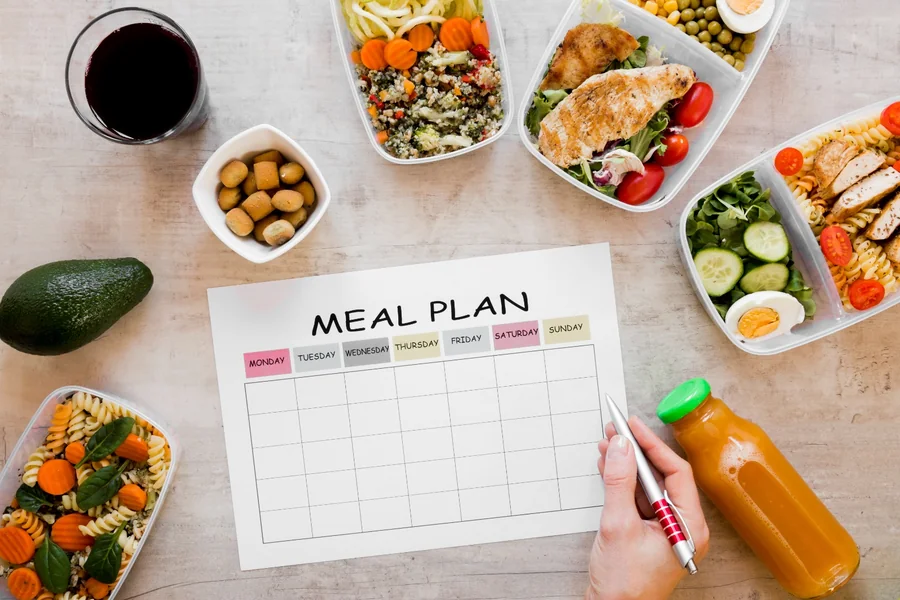
Making a balanced and healthy diet plan is not that difficult.
Making a healthy eating plan doesn’t involve forgoing all your favourite foods or breaking all the rules. One healthy strategy is to select appropriate proportions of nutrients to nourish the body and its functions. How to Build a Balanced and Healthy Diet Plan begins with an understanding of nutritional needs, better food choices and developing habits that will be adopted over time. A balanced diet will help you get better energy, support you in overall health and make you feel better everyday.
Diet plans are something that a lot of people find challenging because they attempt to make extreme changes that are hard to keep up. The best diet plan is the one that works best for you, your lifestyle and your health objectives. Better results can be achieved with small incremental changes over time rather than big changes in a short period of time.
Why a Balanced Diet Is Important
Food is the source of energy and nutrients that support your body’s functions. A well-balanced diet consists of various food groups that contain the necessary vitamins, minerals, protein, carbohydrates and good fats.
A healthy eating pattern can help to support:
- Better energy levels
- Stronger immune function
- Healthy weight management
- Improved digestion
- Improved attention and concentration
- Overall wellness
There are many different nutritional needs for each person, depending on their age, activity level and lifestyle, as well as their health goals. A balanced diet must be individualistic and not a copy of someone else.
Create a Balanced Diet Plan: How to Build a Balanced and Healthy Diet Plan
When it comes to construction a healthy eating plan, it’s simpler to focus on the simple steps. Don’t try to make radical overnight changes but start making little changes that are sustainable.
1. Know Your Nutritional Requirements
The first important step in having a well-balanced diet is knowing what your body needs. Nutrition needs vary based on a variety of factors, such as:
- Age
- Activity level
- Health goals
- Lifestyle
- Personal food preferences
A person working out everyday would require more protein and calorie than a person who is not active. Knowing what you need will allow you to develop a realistic plan.
2. Offer a Variety of Foods
Dietary diversity will help to provide a range of nutrients. None of the food can give your body all it requires.
See if you can add in various food groups like:
- Fruits
- Vegetables
- Whole grains
- Protein sources
- Dairy or dairy substitute
- Healthy fats
If a plate is colorful it may be a larger variety of nutrients. Incorporating various foods can also help to make meals more enjoyable.
3. Choose Fruits and Vegetables
Fruits and vegetables are important parts of a healthy diet. They are also rich in vitamins, minerals, fibre and antioxidants that help the body function properly.
Eat vegetables at meals and fruits for snacks or dessert.
Simple ideas include:
- How to include vegetables in breakfast.
- Add a salad to lunch time meals
- Having fresh fruit around.
- Taste new seasonal fruits and vegetables
There are little ways that you can make food a little more nutritious.
4. Take a Variety of Whole Grains
Proteins are one of the key nutrients needed for muscle development and repair and maintaining body functions.
Some healthy protein choices are:
- Eggs
- Fish
- Chicken
- Beans
- Lentils
- Nuts
- Tofu
- Greek yogurt
Also, protein can help you to feel fuller for longer when eating.
5. Choose Better Carbohydrate Options
Carbohydrates are used for energy but it’s the type of carbohydrate you are consuming that matters.
Good sources of carbohydrates are:
- Whole grains
- Brown rice
- Oats
- Whole wheat bread
- Sweet potatoes
These foods are often rich in fiber and nutrients, which is more than breakfast cereals and other highly processed foods.
Carbohydrates can’t be eliminated entirely without consulting a health care provider, but they are an important component of a healthful diet.
6. Top Meals With Healthy Fats
Healthy fat is essential for optimal brain function, hormone production, and health.
Good sources include:
- Avocados
- Olive oil
- Nuts
- Seeds
- Fatty fish
The point is not to eliminate fat from your diet but to select healthier fats and to eat them in moderation.
7. Plan for Meals in Advance
Having a plan for your meals helps you eat healthy. Planned meals reduce the temptation to eat convenience foods and to eat them that are unhealthy.
Some basic meal planning ideas are:
- Plan ahead a weekly menu
- Make a grocery list
- Plan ahead for cooking meals.
- Continue to have healthy foods on hand
Planning saves time and keeps you on track with your goals.
8. Pay Attention to Portion Sizes
Foods that are good for you can be bad if you eat them in excessive amounts. Understanding appropriate serving sizes can help achieve balance.
Useful tips include:
- Use smaller plates
- Pay attention to and follow your hunger cues.
- Eat slowly!
- Be mindful at meal times
Portion control doesn’t mean eating very little. It’s about knowing your body’s requirements.
9. Stay Hydrated
Water plays a great part in maintaining a healthy lifestyle. Your body requires adequate fluids for digestion, thermoregulation and various other purposes.
Some beneficial hydration tips are:
- Provide drinking water all day long.
- Wearing a water bottle.
- Opting for water over soft drinks that are packed with sugar.
- Increasing fluid intake during exercise.
Drinking sufficient water can improve your energy level and focus.
10. Cut Down on HPP Foods
Processed foods are often high in added sugar, unhealthy fats and sodium.
These foods don’t need to be totally eliminated, but keep to a minimum.
Rather, opt for more whole foods, like:
- Fresh fruits
- Vegetables
- Homemade meals
- Whole grains
- Natural protein sources
Better choices most of the time is more important than being perfect.
Developing a Diet Plan That Matches Your Way of Life
Any diet plan must be compatible with your lifestyle. If a plan is too complicated to stick to, it will probably not work out.
Consider:
- Your work schedule
- Cooking time available
- Food preferences
- Budget
- Family eating habits
For example, a busy person would require some ideas for simple meal preparation, whereas someone who loves to cook would require more detailed recipes.
Common Pitfalls to Avoid When Developing a Healthy Diet Plan
There are numerous people who make errors while beginning a new diet regime.
Following Extreme Diet Rules
Following a very restrictive diet can be challenging. They might also make it more difficult to consume adequate nutrition.
Skipping Meals
Being hungry can result in depleted energy and increased hunger later in the day.
Ignoring Food Quality
While calories are important, the quality of food also is important. Whole nutritious food is more beneficial than junk food.
Expecting Quick Results
Positive changes don’t happen overnight. Increase in habits not results.
Suggestions on How to Remain Consistent
All things need to be consistent to be successful over time. Here are a few tips for healthful eating.
Try to:
- Set realistic goals
- Track your progress
- Prepare meals ahead
- Allow occasional treats
- Focus on improvement
Eating well can be easier and more fun with a balance approach.
Final Thoughts
Making a healthy eating plan is all about making the right choices that will support your body and lifestyle. It is not necessary to have a complex rule system or costly foods to enjoy a healthy diet. Some foods will be included, portion sizes will be managed, drinking water will be encouraged and meal planning will be a key element to a routine you can live with.
Creating a Balanced and Healthy Diet Plan is much easier when you consider the simple, consistent changes. Eating a balanced diet doesn’t mean it has to be a perfect diet. It is about developing healthy habits to boost your energy, keep you feeling your best and stay healthy every day.

Hi, I’m Tony — a passionate blogger with over 3 years of experience in writing informative and accurate content. I specialize in sharing practical insights on sizes, measurements, and spatial guides to help readers make confident decisions. Through DimensionsPoint.com, I aim to simplify complex data into easy-to-understand content that’s reliable, useful, and SEO-friendly.
When I’m not writing, I’m researching the latest trends in measurement standards and user needs to keep my content relevant and up to date.