
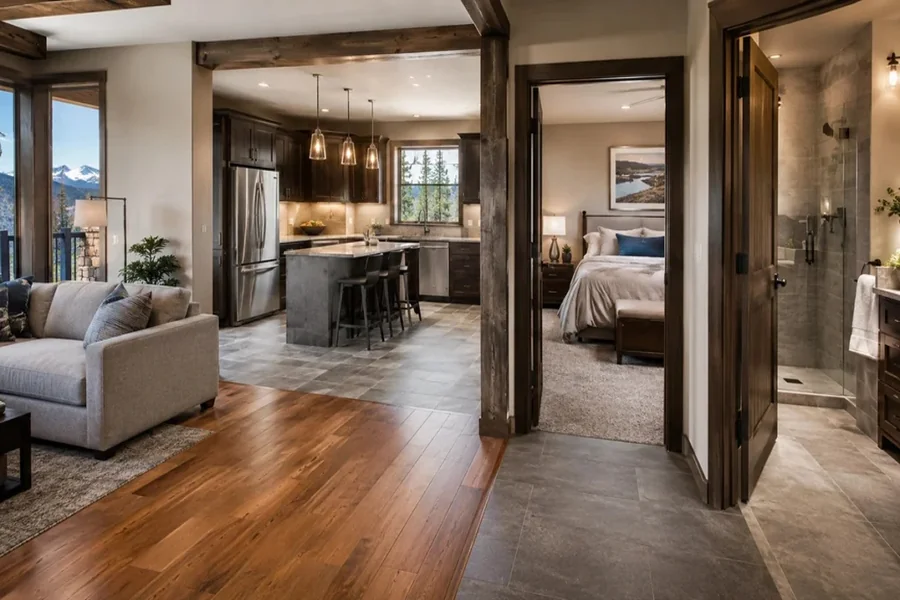
The right flooring can transform your home’s look, feel and function. While many homeowners pay attention to the furniture and wall paint colors, flooring is one of the most important aspects of any room. The type of flooring to choose for your home will vary depending on your lifestyle, budget, type of room, maintenance preferences and more. The right floor should not only be aesthetically pleasing, but also functional and durable for use over the long term.
There are a wide variety of flooring choices today and choosing one can be challenging. There are advantages and disadvantages to each of the various types of flooring, including hardwood, laminate, vinyl, tile and carpet. By knowing the benefits of each option, you’ll be able to select a flooring type that suits your living space and lifestyle.
The Importance of Selecting the Proper Flooring Type
Flooring is one of the biggest areas of your home and makes a significant contribution to the ambiance. Selecting the right floor can cause additional maintenance, expenses, or durability issues.
For instance, a hectic family with pets and kids might require flooring that is easy to clean and less likely to be damaged. However, if a homeowner is interested in a warm and classic look, then they may choose natural wood.
Quality flooring materials should be a compromise between looks, comfort, durability and price.
In this section, you’ll learn how to pick the right flooring materials for your home.
Consider the use of each room when choosing new flooring. Bedrooms, kitchens and bathrooms and living rooms are all different.
Here are some important factors to consider before making your decision.
1. Select the Room Type
The first step is to understand the application of the floor. Various materials are needed in various rooms.
Living Room
One of the most frequently utilised rooms in the house is the living room. The flooring needs to be comfortable, appealing and hard-wearing.
Popular choices include:
- Hardwood
- Laminate
- Luxury vinyl
- Carpet
Hardwood will provide a timeless look, whereas laminate or vinyl will be easier to maintain.
Kitchen
Kitchen floors must be able to deal with spills, stains and heavy foot traffic. It is best to use water resistant materials.
Good choices include:
- Tile
- Vinyl
- Water resistant laminate it.
These choices are easier to clean and can manage the typical home kitchen tasks.
Bathroom
Flooring should be able to withstand moisture in bathrooms. Porous materials can absorb water and cause issues with time.
There are several different types of flooring available for the bathroom:
- Ceramic tile
- Porcelain tile
- Waterproof vinyl
Bedroom
Bedrooms typically require a floor that feels good and is soothing.
Carpet, hardwood and laminate are popular options for warmth and style.
2. Consider Your Lifestyle
Your flooring decision should be affected by your daily habits.
For pet owners, look for flooring that can withstand scratches and stains. Vinyl and tile frequently are used due to their ease of maintenance.
Find flooring that is comfortable, safe, and easy to clean, if you have young children.
If you entertain on a regular basis, hard flooring that can withstand the years could be the best choice.
3. Be Familiar With Various Types of Flooring Materials
No two types of flooring materials are the same. Knowing the difference will make the decision easier.
Hardwood Flooring
Despite the fact that hardwood trees do not last as long, they are still often favored for their natural look and durability.
Benefits include:
- Increases the value of a house.
- Can be refinished several times.
- Creates a classic look
Hardwood is more difficult to maintain, however; and can also suffer from moisture.
Laminate Flooring
Laminate is an affordable option that may be mimicked to look like wood or stone.
Benefits include:
- Affordable price
- Easy installation
- Resistant to scratches
Nowadays, many lamination models are available that can give almost a natural appearance without the price tag.
Vinyl Flooring
Vinyl flooring has gained popularity due to its durability and water-resistant nature.
Benefits include:
- Easy cleaning
- Comfortable underfoot
- Available in many designs
It is suitable for high moisture regions.
Luxury vinyl flooring can do a great job at mimicking hardwood or tile.
Tile Flooring
The tile is a great choice for kitchens and bathrooms, as well as entryways.
Benefits include:
- Highly durable
- Water resistant
- Easy maintenance
The problem is that tiles can be cold and hard to walk on, in comparison to other flooring options.
Carpet Flooring
Carpet is a good source of warmth and comfort particularly in bedrooms and living areas.
Benefits include:
- Soft surface
- Reduces noise
- Provides a comfortable atmosphere
But carpet might need to be cleaned more often, and might not be best for damp spaces.
4. Create a Spending Plan You Can Stick To
The cost of flooring is a significant factor when it comes to choices. There is more to the total cost than the price of the material.
Remember to consider:
- Installation costs
- The removal of old floors.
- Underlayment
- Repairs to the existing floor
- Future maintenance
A lower price may be more affordable, but may need to be replaced faster. There is the potential for better value over time with a slightly higher investment.
5. Consider Maintenance Requirements
There are various types of flooring that can be used and each needs a different amount of care.
Consider the amount of time you can dedicate to maintenance.
For example:
- Regular cleaning is necessary for tile, but it’s simple to keep it clean.
- Maybe it requires polishing and protection with hardwood.
- Carpet should be vacuumed and occasionally deep cleaned
- Vinyl only needs to be swept and mopped.
Select flooring that works for your timeline and living.
6. Match Flooring With Your Home Design
The flooring should complement the interior design.
Consider:
- Wall colors
- Furniture style
- Room size
- Natural lighting
Using light color floors can help make small rooms appear larger. Dark colored floors can lend a more classic look.
The idea is to pick something you’ll want to wear for many years.
7. Think About Installation
Some flooring types may be easier to install than others. If DIY work is in your plans, be sure to use materials that are more user-friendly.
There is a wide variety of click-lock laminate and vinyl flooring that is available for use for do-it-yourself projects.
In more complex installations professional assistance may be more effective and help to avoid future issues.
Common Mistakes That You Should Avoid When It Comes to Flooring
When selecting a floor for your home, many people only consider its aesthetic appeal. Design is important but functional requirements take precedence.
Try to avoid the following errors:
- Selecting a flooring without taking into account the area conditions.
- Ignoring maintenance needs
- Choosing materials that aren’t suitable for your lifestyle
- Only considering the bottom price; short cutting the process
- Forgetting installation costs
A stunning floor that is not the right fit for you can be a source of aggravation.
Suggestions on How to Make the Best Choice When It Comes to Flooring
If you have not yet made a decision, here are some things to keep in mind:
- Compare different materials
- Request samples
- Test flooring in your home lighting to see how it looks.
- Consider long-term durability
- Consider any future resale opportunities
Doing some homework can save you a lot of money.
Final Thoughts
Choosing a new floor is a significant home remodeling choice. The right choice will enhance comfort, fashion, and also the total worth of your residence.
With regards to flooring options for your home, it is easier to choose the right option if you take into account the type of room, lifestyle, budget, maintenance requirements, and design concepts. If you opt for hardwood, vinyl, tile, laminate or carpet, the best option is the flooring that suits you.
A good flooring improvement can make your home comfortable today and be advantageous for years of time.

Hi, I’m Tony — a passionate blogger with over 3 years of experience in writing informative and accurate content. I specialize in sharing practical insights on sizes, measurements, and spatial guides to help readers make confident decisions. Through DimensionsPoint.com, I aim to simplify complex data into easy-to-understand content that’s reliable, useful, and SEO-friendly.
When I’m not writing, I’m researching the latest trends in measurement standards and user needs to keep my content relevant and up to date.