
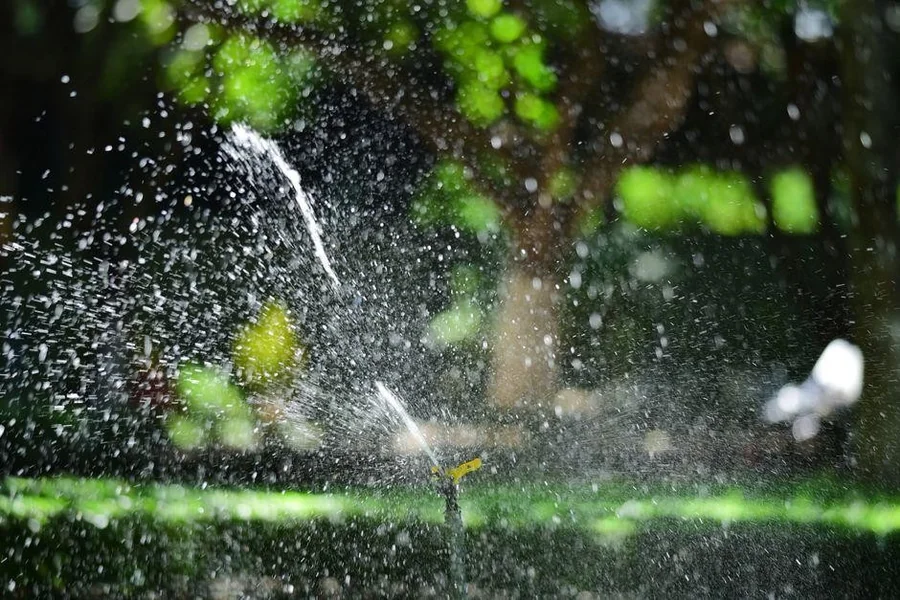
A sprinkler system rarely fails without warning. Before a controller stops responding or a pipe bursts, the lawn often shows subtle changes: a dry strip, an unusually wet corner, or spray that no longer reaches its usual distance. In Gulfport, heat, salt air, sandy soil, and sudden rainfall can all influence how quickly those signs appear.
Dry Patches May Point to a Coverage Problem
Brown areas are easy to blame on a single clogged or damaged sprinkler head. A misaligned rotor, blocked nozzle, pressure drop, or valve that does not open fully may leave part of a zone without enough water.
Sandy soil drains quickly, so missed coverage can become visible sooner than expected. Avoid increasing the runtime for the entire zone straight away: doing so may oversaturate areas that already receive enough water. Instead, run the system and watch each head. Check whether it rises fully, rotates as intended, and sprays the area it was designed to cover.
Homeowners researching sprinkler repair in Gulfport may find that the underlying issue involves more than one damaged component. A technician can assess head alignment, pressure, valves, and coverage together, rather than treating each dry patch as an isolated problem.
Standing Water Is a Warning, Not a Bonus
A patch that remains soggy long after irrigation ends is not necessarily receiving beneficial extra moisture. Pooling may indicate a leaking pipe, a valve that is stuck open, or a sprinkler head that fails to shut off properly. It can also mean water is being applied faster than the soil can absorb it.
Persistent saturation can weaken turf, encourage fungal problems, and soften soil around paths or other hard surfaces. After heavy rain, runoff may carry mulch or soil into drains. Look for recurring puddles, bubbling around sprinkler heads, or a zone that continues running after the controller switches it off.
The University of Florida’s guide to managing landscape irrigation explains why system design, maintenance, and application rates matter: water should reach plants at a rate the soil can absorb, rather than running off or moving nutrients away.
A Higher Water Bill Can Reveal a Hidden Leak
Not every irrigation fault leaves a visible mark on the lawn. A small underground leak may allow grass to look normal while water use gradually increases. Cracked lateral lines, leaking fittings, and valves that seep after a cycle can all add to consumption.
Compare bills across similar periods, taking rainfall and seasonal conditions into account. If water use remains unusually high despite wetter weather or reduced watering, inspect the system. Check for soft or muddy soil along pipe routes, water bubbling around heads, and zones that take longer than usual to shut down.
The U.S. Environmental Protection Agency’s Sprinkler Spruce-Up guidance recommends inspecting irrigation equipment for breaks, leaks, and misplaced spray.
Weak Spray and Irregular Cycles Signal Wear
A properly operating zone should behave consistently. Sprinkler heads should rise, distribute water in a steady pattern, and shut off when the cycle ends. Sputtering, fine mist, reduced reach, or a rotor that moves unevenly can indicate low or excessive pressure, a clogged nozzle, worn parts, or debris in the line.
If several heads lose reach at once, the problem may involve supply pressure or a valve rather than every nozzle failing independently. If only one head behaves differently, inspect that fitting first. Irregular cycling, where a zone starts and stops unexpectedly, may point to a controller, wiring, or valve issue.
Landscape Changes Can Alter Sprinkler Coverage
An irrigation layout is designed around the landscape that exists when it is installed. As trees mature, roots may press against or damage buried lines. New shrubs, garden beds, fences, patios, and other additions can obstruct spray or change where water needs to go.
If the same zone serves plants with different moisture needs, some areas may receive too much water while others receive too little. After landscaping work, run each zone and check whether water still reaches the intended areas. Adjusting head direction or updating the layout may be more effective than changing the timer.
A Simple Inspection Can Help Find the Cause
You do not need specialist equipment to notice many early warning signs. Walk the yard while each zone is running, preferably when spray patterns are easy to see. Look for heads that are tilted, blocked, sunken, or spraying pavement. Note puddles, dry strips, weak streams, and heads that fail to retract. Check the controller for unexpected schedules and make sure any rain sensor is functioning.
For a basic coverage check, place several straight-sided containers across a zone, run it for a set period, and compare the amount of water collected. Large differences suggest uneven distribution.
Keep a brief record of what you observe, including the zone, time of day, and whether the ground is wet or dry. Patterns matter: a problem that appears after every cycle may have a different cause from one that occurs only after rain. Clear notes also help a technician diagnose the fault consistently and accurately.
Fix Small Problems Before They Spread
Sprinkler maintenance is about more than keeping grass green. A system that distributes water unevenly can waste resources, increase bills, and place unnecessary strain on pipes, valves, and controllers.
If dry patches, standing water, weak spray, or unexplained increases in water use keep returning, arrange an inspection. A qualified irrigation professional can test pressure and flow, identify leaks, check valves, and assess whether the system still suits the yard.
A healthy lawn depends on more than frequent watering. It needs the right amount of water, delivered evenly, at the right time. Pay attention to what the grass and soil are telling you, and your sprinkler system is less likely to surprise you when you need it most.

Hi, I’m Tony — a passionate blogger with over 3 years of experience in writing informative and accurate content. I specialize in sharing practical insights on sizes, measurements, and spatial guides to help readers make confident decisions. Through DimensionsPoint.com, I aim to simplify complex data into easy-to-understand content that’s reliable, useful, and SEO-friendly.
When I’m not writing, I’m researching the latest trends in measurement standards and user needs to keep my content relevant and up to date.