
The Name That Stuck
Ask most people how professional carpet cleaning works and they’ll say it’s done with steam. Picture a cloud of vapor rolling across the floor, melting dirt away like fog lifting off a lake.
It’s a lovely image. It’s also not quite what happens. The method commonly called “steam cleaning” is, in most cases, hot water extraction – and the difference matters more than the name suggests. People who book carpet steam cleaning chicago services are usually paying for very hot water, carefully chosen chemistry and powerful suction, not actual steam. Understanding the process makes it easier to know what a good job looks like and why some results last longer than others.
Arthur C. Clarke famously wrote that “any sufficiently advanced technology is indistinguishable from magic.” Carpet extraction isn’t magic. But from the couch, watching a gray carpet turn several shades lighter, it can feel close.
Steam vs. Hot Water
What steam actually is
True steam is water turned into vapor. It’s great for sanitizing hard surfaces and for some upholstery or garment work. But vapor alone carries very little cleaning power for a dense carpet full of embedded soil.
What extraction does
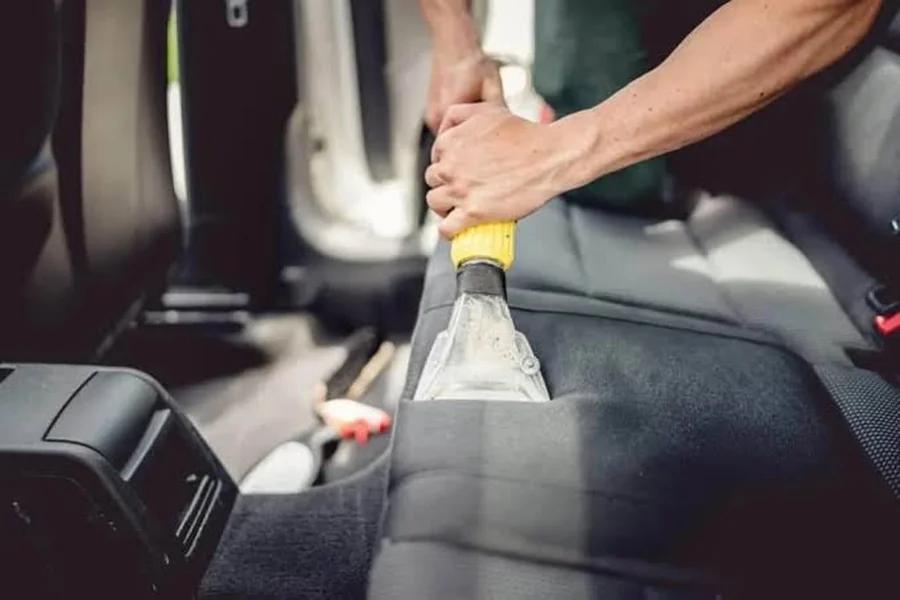
Hot water extraction uses water heated to a high temperature, but still in liquid form, sprayed into the carpet under pressure and then immediately pulled back out by strong vacuum. The liquid does the rinsing. The vacuum does the removing. Some of the hot water may produce visible vapor near the wand, which is probably where the “steam” name came from.
The Process, Step by Step
A thorough hot water extraction job usually follows a sequence:
- Inspect the carpet, identify fiber type, stains and high-traffic areas.
- Vacuum thoroughly to remove dry soil before any water is added.
- Apply a pre-spray or pre-conditioner suited to the fiber and soil.
- Agitate the carpet, often with a grooming brush or machine, to loosen soil.
- Rinse and extract with hot water using a wand or power tool.
- Treat any remaining spots individually.
- Groom the fibers and set up air movement for drying.
Skipping steps is where results start to fall apart. Without the dry vacuum, mud forms. Without pre-spray, hot water alone struggles with oily soil. Without enough extraction passes, too much moisture stays behind.
Why Heat Helps
Heat speeds up chemical reactions and softens oily soil, which makes it easier to lift. Think of washing a greasy pan with cold water versus hot. The difference is obvious in the kitchen, and the same principle applies to carpet.
But more heat isn’t always better. Some fibers, especially wool and certain delicate materials, can be damaged or shrink if treated too aggressively. Good technicians adjust temperature and chemistry to the carpet in front of them.
Truck-Mounted vs. Portable
Extraction machines come in two broad types.
Truck-mounted units sit in a van outside and run long hoses into the home. They typically produce more heat and stronger suction, which can mean better soil removal and faster drying.
Portable units are carried inside. They’re useful in high-rise buildings, places with limited parking or rooms far from the street. A well-run portable machine with a skilled operator can still do excellent work.
In the end, the operator matters more than the machine. A powerful truck mount in careless hands can overwet a carpet badly, while a modest portable used with patience and extra drying passes can leave a beautiful result.
What Can Go Wrong
Hot water extraction is effective, but mistakes leave obvious traces:
- overwetting, which leads to long drying times and possible mildew
- leftover residue from too much detergent, causing fast resoiling
- wicking, where deep stains rise back to the surface as the carpet dries
- shrinkage or texture change on sensitive fibers
- browning on some natural fibers when moisture lingers
Many carpet manufacturers recommend hot water extraction as the preferred deep cleaning method, and it’s often said online that warranties may require periodic professional cleaning. That recommendation assumes the method is done properly.
How to Tell a Good Job
A well-done extraction leaves carpet that feels damp rather than wet, dries within hours rather than days, and doesn’t feel sticky or stiff once dry. It should also stay clean noticeably longer, since there’s little residue left to attract new dirt.
Richard Feynman, reflecting on the Challenger disaster, wrote that “nature cannot be fooled.” Carpet can’t be fooled either. Shortcuts in cleaning tend to show up within weeks as returning spots or quick resoiling.
Not Magic, Just Method
So the “steam” in steam cleaning is mostly a nickname. What actually happens is a careful combination of heat, chemistry, agitation and suction, done in the right order. When it’s done well, the result looks impressive. When it’s done badly, the carpet tells the story soon after.
Either way, knowing what’s happening on the floor makes it much easier to judge whether the job was worth it.

Hi, I’m Tony — a passionate blogger with over 3 years of experience in writing informative and accurate content. I specialize in sharing practical insights on sizes, measurements, and spatial guides to help readers make confident decisions. Through DimensionsPoint.com, I aim to simplify complex data into easy-to-understand content that’s reliable, useful, and SEO-friendly.
When I’m not writing, I’m researching the latest trends in measurement standards and user needs to keep my content relevant and up to date.