
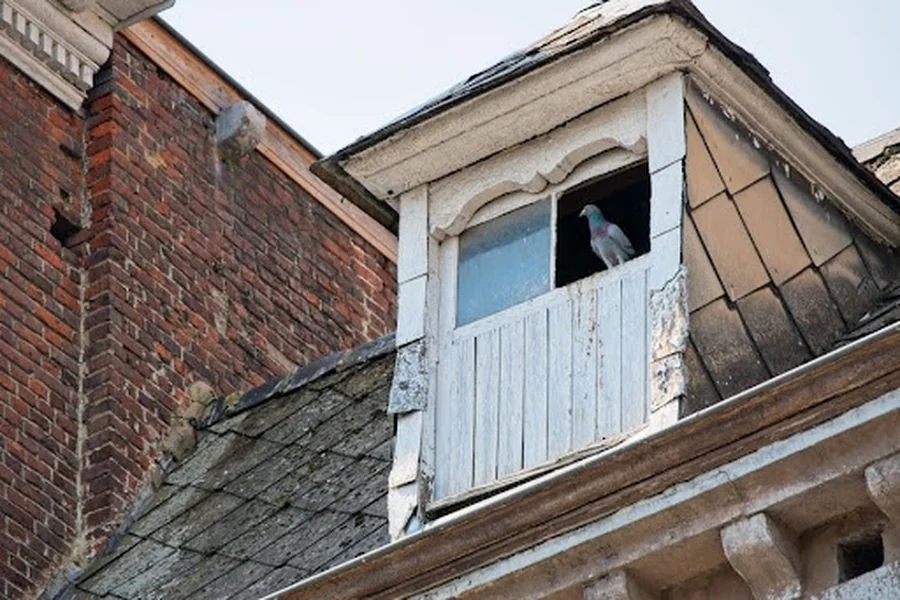
If you live in Mountain Brook, you already know the area’s tree cover, creeks, and quiet neighborhoods make it feel tucked away from city noise. That same setting also gives raccoons, squirrels, bats, snakes, and other animals plenty of cover near your house. Wildlife issues usually start small, then turn into repair bills, odor problems, and health concerns. You need to know what to watch for, what actually works, and when a situation has moved beyond a simple DIY fix.
Why wildlife problems often stay hidden until the damage is serious
Wild animals are good at staying unnoticed. They move at night, nest inside wall voids, squeeze into crawl spaces, and use rooflines you probably never inspect closely. By the time you hear scratching above your ceiling, the problem may already involve nesting material, chewed wiring, droppings, and entry-point expansion.
Many homeowners assume one sound means one animal. In practice, infestations can scale fast during breeding season. A squirrel in the attic may mean a litter is already inside insulation. A raccoon on the roof may be testing weak soffits for repeated access. Hidden moisture also changes the picture. Once animals tear vents or roofing components, water intrusion can follow, leading to mold growth and structural deterioration that costs far more than the initial exclusion work.
The most common signs your home has become an easy target
You don’t need to wait for a face-to-face animal encounter. Most wildlife activity leaves a pattern. Look for dark smudges near roof gaps, torn ductwork, droppings in the attic, strong ammonia-like odors, disturbed insulation, and repeated noises at dawn or after sunset. Outside, check for burrows near foundations, tipped trash, scratch marks on wood, and damaged vent covers.
In neighborhoods with mature landscaping, overhanging branches create direct access to shingles and fascia boards. Pet food on porches and unsecured garbage also act like invitations. If you notice one of these issues in Mountain Brook, local habitat conditions matter. Dense canopy and nearby water sources support frequent animal movement. In cases like that, using a professional wildlife removal service in Mountain Brook can help you address both the active animal issue and the property conditions that made entry possible.
Why trapping alone usually fails without full exclusion work
A lot of people focus on removal and stop there. That’s where repeat problems begin. Trapping or catching one animal doesn’t solve the core access issue. If the entry point remains open, another raccoon, squirrel, or opossum can move in within days. Wildlife control works best when removal, sanitization, and exclusion happen as one strategy.
Exclusion means sealing the structure with durable materials in the exact spots animals use, including roof returns, ridge vents, gable vents, chimney gaps, and crawl-space openings. It also means checking whether babies are present before removal. Taking out an adult and leaving offspring behind creates odor, biohazard, and ethical problems quickly. A proper inspection looks at species behavior, nesting cycles, and structural vulnerabilities, not just the visible symptom. That’s the difference between a temporary result and long-term prevention.
The health and safety issues homeowners tend to underestimate
Wildlife problems are not just about noise. Droppings and urine can contaminate insulation and circulate particles through the air. Bats may introduce guano accumulation, which creates strong odor and respiratory concerns. Rodents and squirrels can chew electrical wiring, increasing fire risk. Raccoons can damage ducts, compress insulation, and leave parasites behind in attic spaces.
There’s also the risk of direct contact. A cornered animal inside a garage or living area can become unpredictable fast. DIY removal sounds cheaper until you factor in bite risk, contamination, ladder accidents, and improper handling of protected species. Some animals require species-specific methods or timing because of state regulations and breeding periods. If your home has elderly residents, young children, or indoor pets, the margin for error gets even smaller. Quick action protects more than the building envelope; it protects indoor air quality and daily safety.
What good prevention looks like after the animals are gone
Prevention is not glamorous, but it saves money. Start with a seasonal exterior inspection. Check roof intersections, attic vents, chimney caps, crawl-space screens, and foundation gaps. Trim branches back from the roofline and remove dense vegetation touching the house. Store trash in sealed containers and avoid leaving food sources outside overnight.
Inside the attic, pay attention to insulation depth, staining, and unusual smells. If a section looks flattened or shredded, that can signal traffic or nesting activity. Good prevention also includes repairs that hold up under pressure. Lightweight screening often fails. Galvanized steel barriers, reinforced vent covers, and professionally secured exclusion points perform better over time. After removal, sanitation matters too. Odor residues can attract future animal investigation. The goal is not just getting wildlife out once. You want your house to stop reading like a safe shelter to the next animal passing through.
What to prioritize if you want to avoid bigger repair bills
If you suspect wildlife activity, speed matters more than guesswork. Start by documenting noises, odors, and visible damage. Then inspect the exterior from the ground for openings, disturbed materials, or repeated animal pathways. Avoid sealing holes immediately if you’re unsure whether animals, especially young ones, are still inside.
Your best move is to treat wildlife control as a property protection issue, not just a pest issue. The roof system, insulation, ventilation, electrical network, and indoor air quality can all be affected. Small delays often turn a minor exclusion job into a restoration project. In a place like Mountain Brook, where wooded residential lots create ideal travel corridors, staying proactive gives you an edge. The real cost usually comes from waiting until the smell spreads, the drywall stains appear, or the scratching turns into silence for all the wrong reasons.

Hi, I’m Tony — a passionate blogger with over 3 years of experience in writing informative and accurate content. I specialize in sharing practical insights on sizes, measurements, and spatial guides to help readers make confident decisions. Through DimensionsPoint.com, I aim to simplify complex data into easy-to-understand content that’s reliable, useful, and SEO-friendly.
When I’m not writing, I’m researching the latest trends in measurement standards and user needs to keep my content relevant and up to date.