
Choosing the right nursery is an important decision for parents who want their children to develop confidence, independence and a love of learning from an early age. A quality Yishun nursery can provide a supportive environment where young children learn through play, exploration and meaningful interactions while developing essential social and cognitive skills. For families considering local early childhood options, Little Footprints Preschool Yishun Preschool, Nursery & Kindergarten offers a setting designed to support children through these important formative years.
Understanding Nursery Education in Yishun
Yishun has a wide selection of preschools, childcare centres and kindergartens, giving families different options based on their children’s ages, routines and educational needs. Current directories list numerous early childhood centres across the Yishun area, with programmes ranging from playgroup and Nursery 1 to Nursery 2 and kindergarten levels.
Nursery education generally focuses on helping children become comfortable in a structured learning environment while encouraging curiosity and independence. At this stage, children are beginning to communicate more confidently, form friendships, follow routines and understand how to interact with others. A well-planned nursery programme should therefore balance guided learning with plenty of opportunities for creative and physical activity.
Why Early Childhood Education Matters
The nursery years are a crucial period in a child’s development. Children are rapidly developing their language, motor skills, emotional awareness and ability to solve simple problems. A nurturing preschool environment can help these abilities grow naturally through age-appropriate experiences.
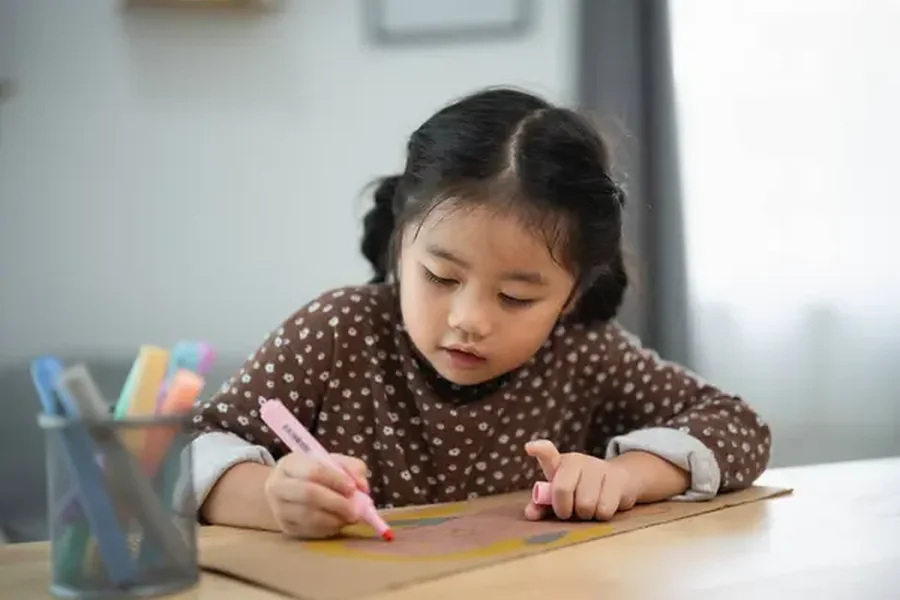
Rather than relying solely on formal lessons, early childhood education often uses play and practical activities to make learning enjoyable. Storytelling, music, drawing, movement, sensory activities and simple games can introduce children to concepts such as numbers, language, shapes, colours and patterns.
These experiences also encourage children to express themselves. When children are given opportunities to ask questions, make choices and communicate with teachers and classmates, they gradually develop greater confidence and independence.
Learning Through Play and Exploration
Play is an essential part of nursery education because it allows young children to learn while actively participating in the experience. Instead of simply receiving information, children can discover concepts by touching, building, creating, moving and experimenting.
A thoughtfully designed nursery may include different learning areas that encourage children to explore specific skills. Reading corners can support early literacy, while creative spaces can encourage imagination. Sensory activities may help children understand textures and materials, while construction and problem-solving games can develop spatial awareness and logical thinking.
This approach can make learning feel natural rather than overwhelming. Children are more likely to remain engaged when activities are appropriate for their developmental stage and connected to their interests.
Developing Social and Emotional Skills
Academic preparation is only one part of nursery education. Young children also need to learn how to communicate, cooperate and manage their emotions.
A nursery in Yishun can provide regular opportunities for children to interact with peers in a safe and supervised setting. Group activities can encourage children to take turns, share resources and listen to others. These everyday experiences gradually introduce important social skills that children will continue using throughout their education.
Teachers also play an important role in helping children recognise and express their feelings. Positive guidance can teach children how to manage frustration, resolve simple disagreements and become more comfortable in unfamiliar situations.
Building Early Literacy and Numeracy Skills
Nursery education can introduce children to the foundations of literacy and numeracy without making learning overly formal. Songs, stories and conversations can strengthen vocabulary and listening skills, while drawing and mark-making can prepare children for future writing.
Early numeracy can be introduced through everyday activities involving counting, sorting, matching and recognising patterns. Simple classroom games can help children understand numbers and quantities in ways that are easy to relate to their daily experiences.
These foundational skills can give children greater confidence as they progress towards kindergarten and eventually primary school. The aim is not to rush children into advanced academic work but to develop positive attitudes towards learning.
Creating a Supportive Nursery Environment
The physical environment can have a significant influence on how young children learn. Bright, organised and accessible learning spaces can encourage children to participate independently while giving them opportunities to explore different activities.
Open and interactive classroom layouts can also support collaboration and discovery. For example, learning corners can provide spaces for literacy, numeracy, creative arts and sensory activities. One Yishun preschool describes an open-concept environment with clearly defined learning corners designed to support guided learning as well as creative and sensory exploration.
A welcoming environment should also help children feel secure. When children feel comfortable with their surroundings and familiar with daily routines, they can gradually become more confident about participating in activities and interacting with others.
Choosing a Nursery in Yishun
Parents comparing nursery options in Yishun should consider more than location alone. Convenience is certainly important, particularly for families managing work and school schedules, but the learning environment and programme should also match the child’s needs.
Parents may want to consider the age groups served, daily routines, learning approach, classroom environment and opportunities for outdoor or creative activities. It can also be useful to understand how teachers communicate with families and how children are supported as they move between different educational stages.
Visiting a nursery can provide a clearer impression than relying on descriptions alone. During a visit, parents can observe the classroom atmosphere, ask questions about the curriculum and understand how teachers interact with children.
Supporting Your Child Beyond Nursery
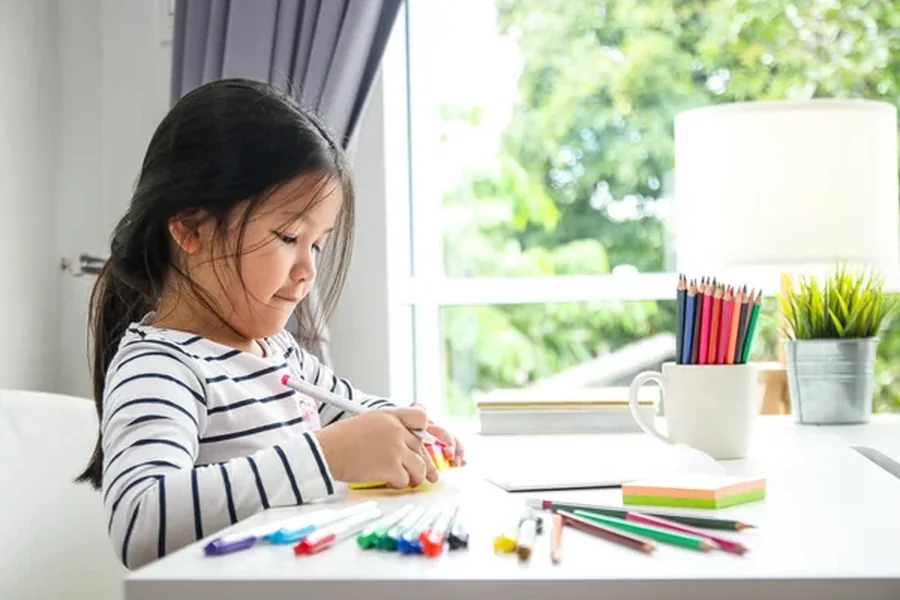
A child’s learning does not stop when the school day ends. Parents can reinforce early learning at home through simple, enjoyable activities. Reading together, singing songs, talking about daily experiences and involving children in basic household tasks can all support language, independence and problem-solving skills.
Outdoor play is equally valuable. Walking, running, climbing and playing with age-appropriate equipment can help develop coordination and physical confidence. Parents can also encourage curiosity by asking children questions about what they see and allowing them to explore their surroundings safely.
Most importantly, learning at home should remain positive. Young children benefit from encouragement and meaningful interaction rather than pressure to achieve specific academic results.
Preparing Children for the Next Stage
A good nursery experience can help children develop skills that prepare them for kindergarten and later schooling. Confidence, communication, independence and the ability to work with others are valuable foundations for future learning.
As children become familiar with routines, classroom expectations and social interactions, they can gradually take greater responsibility for their own activities. This transition can make the move into K1 and subsequent educational stages feel more comfortable.
The best nursery experience is therefore not simply about teaching children what they need to know. It is about helping them become enthusiastic, capable and confident learners.
Conclusion
Finding the right Yishun nursery can give young children a strong and positive beginning to their educational journey. A nurturing environment that combines play, exploration, social interaction and age-appropriate learning can support children’s development across multiple areas. By considering the learning approach, classroom environment, teacher support and practical needs of the family, parents can make a more informed choice. With the right foundation, nursery can become an enjoyable stage where children develop confidence, curiosity and essential skills for the years of learning ahead.

Hi, I’m Tony — a passionate blogger with over 3 years of experience in writing informative and accurate content. I specialize in sharing practical insights on sizes, measurements, and spatial guides to help readers make confident decisions. Through DimensionsPoint.com, I aim to simplify complex data into easy-to-understand content that’s reliable, useful, and SEO-friendly.
When I’m not writing, I’m researching the latest trends in measurement standards and user needs to keep my content relevant and up to date.
1 Comments